
Written by Kevin Mack — Mental Health Writer & Inclusive Wellness Advocate | 2026
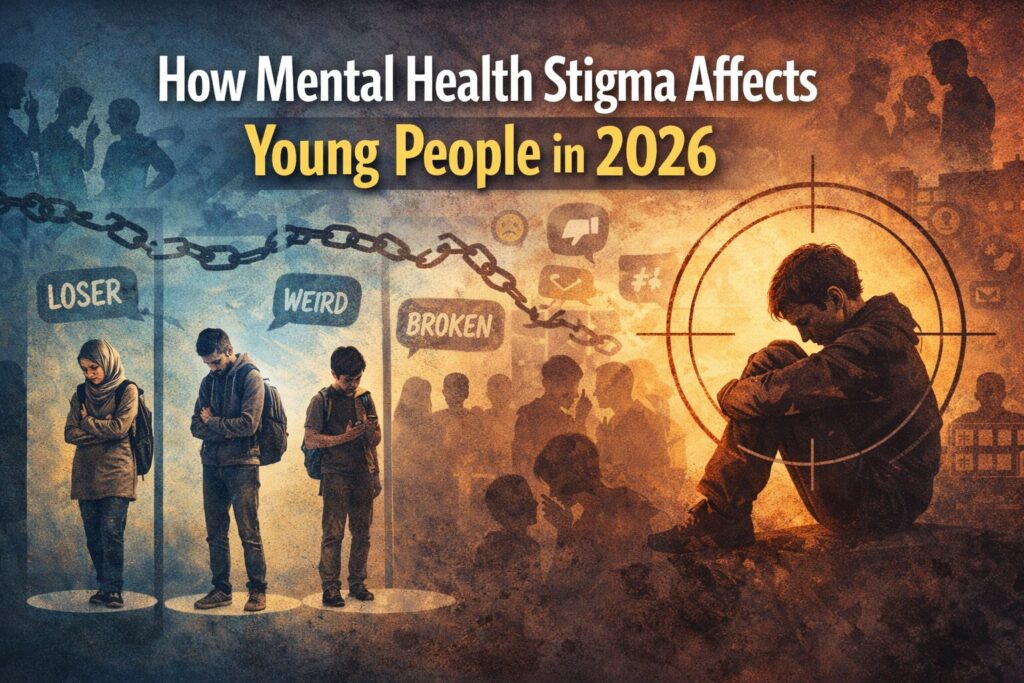
Mental health stigma affects young people in 2026 by discouraging them from seeking help, increasing feelings of shame, and worsening anxiety, depression, and isolation. Fear of judgment from peers, family, and social media communities often prevents youth from speaking openly, leading to delayed support, lower self-esteem, and long-term mental health challenges.
Contents
Mental Health Stigma and Its Effects on Youth in 2026
Mental health stigma continues to affect how young people think, feel, and seek support in 2026. This article explores how stigma impacts youth wellbeing, identity, and access to mental health resources today.
In this powerful talk, Dr. Eilis Hennessy explores how mental health stigma impacts young people’s lives, access to care, and emotional wellbeing — and what we can do to change that.
Learn why stigma still exists, how it affects youth in daily life, and practical steps schools, families, and communities can take to create a more supportive, understanding world for young people struggling with their mental health.
📌 In this video you’ll discover: ✔ What mental health stigma really is
✔ How stigma affects young people’s self-image, help-seeking, and relationships
✔ Real examples from research and practice
✔ Actions individuals and organizations can take to reduce stigma
✔ Why youth mental health matters now more than ever
Whether you’re a student, educator, parent, clinician, or advocate, this talk gives insights and tools to shift conversations about mental health and challenge stigma with compassion and evidence-based strategies.
Challenging Mental Health Stigma to Support Young People (Dr. Eilis Hennessy
Mental Health Stigma and Young People in 2026: Key Questions and Answers
How does mental health stigma affect young people in 2026?
Mental health stigma affects young people in 2026 by discouraging open conversations and preventing early help-seeking. Many young people fear judgment or labeling, which leads to untreated anxiety, depression, and emotional distress that can worsen over time.
Why is mental health stigma still a problem for youth in 2026?
Mental health stigma remains a problem in 2026 due to misinformation, cultural beliefs, social media pressure, and lack of mental health education. These factors reinforce stereotypes that make young people feel weak or ashamed for needing support.
What are the effects of mental health stigma on teenagers and young adults?
The effects of mental health stigma on teenagers and young adults include increased isolation, lower self-esteem, academic struggles, and avoidance of mental health resources. Stigma can also delay treatment, making mental health challenges harder to manage.
How does stigma prevent young people from seeking mental health help?
Stigma prevents young people from seeking help by creating fear of being judged by peers, family, or teachers. Many worry about being misunderstood or treated differently, which causes them to hide symptoms instead of reaching out for support.
How can mental health stigma be reduced for young people in 2026?
Mental health stigma can be reduced by promoting education, open conversations, inclusive language, and positive representation of mental health experiences. Supportive schools, online communities, and trusted adults play a key role in helping young people feel safe seeking help.
People Also Ask
What is mental health stigma and why does it affect young people?
Mental health stigma refers to negative attitudes, stereotypes, and misconceptions about mental health challenges. It affects young people by making them feel ashamed or afraid to talk about their emotions, which often prevents them from seeking help or support when they need it most.
How does mental health stigma impact teenagers’ mental wellbeing?
Mental health stigma can increase stress, anxiety, and feelings of isolation in teenagers. When teens feel judged or misunderstood, they are more likely to hide their struggles, leading to worsening emotional health and reduced coping skills.
Why are young people afraid to talk about mental health?
Many young people fear being judged, labeled, or treated differently by peers, family, or teachers. Social media pressure and misinformation also contribute to this fear, making open conversations about mental health feel risky or unsafe.
What helps reduce mental health stigma among young people?
Mental health stigma can be reduced through education, open dialogue, and supportive environments. Schools, families, and online communities that promote understanding and acceptance help young people feel more comfortable discussing mental health concerns.
About the Author: Kevin Mack
I write mental health content for everyone, with a strong focus on inclusiveness, understanding, and accessibility. My work supports people from all backgrounds, and I am committed to writing respectful, affirming articles for minorities and the LGBTQ community. Every piece I publish is guided by empathy, education, and the belief that mental health conversations should be open, safe, and inclusive for all.
Medical Disclaimer
This content is for informational and educational purposes only and is not a substitute for professional medical, mental health, or psychological advice, diagnosis, or treatment. Always seek the guidance of a qualified healthcare professional with any questions you may have regarding mental health concerns.
Reference
UNICEF – Mental Health and Wellbeing of Young People
https://www.unicef.org/mental-health
-
 Why Is Mental Health So Important in the LGBTQ+ Community?
 -
Original Case Study: How Do Couples Navigate the Highs and Lows of Bipolar Disorder in a Marriage?
-
How to Clear Your Mind Before Bed: A 5-Minute Practical Decompression Guide
-
How to Improve Mental Wellness When You Have no Time?
-
How Do I Create a Daily Mental Health Checklist for Digital Detoxing?