Contents
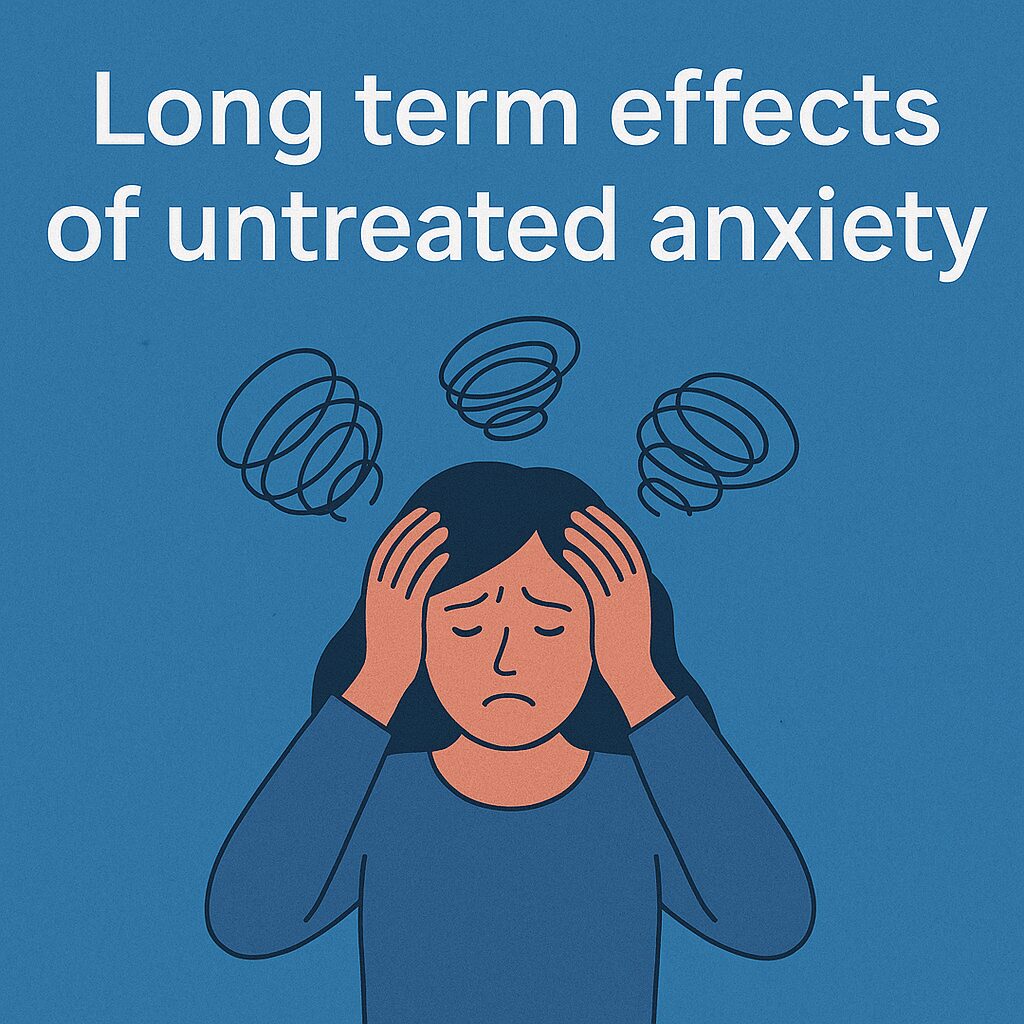
Long Term Effects of Untreated Anxiety: What Happens if Anxiety Goes Untreated
Introduction
Discover the long term effects of untreated anxiety on your mind and body. Learn how chronic anxiety impacts mental health, physical well-being, and relationships, and find effective treatment options for lasting relief.
Anxiety is a natural human response to stress, but when it remains untreated for a long period, it can create serious mental, physical, and emotional challenges.
The long term effects of untreated anxiety often go far beyond temporary worry or nervousness. It can slowly affect your body, your mind, and the quality of your relationships.
Understanding these long term effects is essential for finding balance, improving mental health, and restoring your overall well-being.
The Hidden Mental Health Impact
When anxiety goes untreated, it can begin to reshape how the brain functions. Persistent anxiety increases cortisol and adrenaline levels, which keeps the body in a constant state of alertness.
Over time, this can cause exhaustion, irritability, and cognitive fatigue. Many people also experience difficulty concentrating and making decisions because the mind becomes overloaded with fear and overthinking.
Untreated anxiety often leads to other mental health conditions such as depression, panic disorder, or obsessive-compulsive tendencies.
The constant feeling of unease and worry can make even small daily tasks seem overwhelming. This cycle of mental strain creates a pattern that becomes harder to break without professional support or self-care interventions.
Physical Effects on the Body
Chronic anxiety does not only affect the mind. It also takes a physical toll on the body. The long term effects of untreated anxiety can lead to serious health conditions such as:
- Heart Problems: Increased blood pressure and heart rate from constant stress can raise the risk of heart disease.
- Digestive Issues: Anxiety can trigger nausea, stomach pain, and irritable bowel symptoms.
- Weakened Immune System: Prolonged anxiety weakens the immune response, making the body more vulnerable to illness.
- Chronic Fatigue and Sleep Disorders: Anxiety makes it difficult to relax, leading to insomnia, restlessness, and overall exhaustion.
These symptoms often develop slowly, and many people do not connect them to anxiety until they become severe.
Emotional and Relationship Strain
Untreated anxiety can change how a person interacts with others. It can make individuals more withdrawn, overly cautious, or irritable. Relationships may begin to suffer as communication becomes more difficult.
The person experiencing anxiety might feel misunderstood or isolated, while family members or partners may struggle to provide the right support.
Emotionally, untreated anxiety leads to feelings of hopelessness, guilt, and emotional burnout.
Over time, this emotional strain can damage self-esteem and create a sense of detachment from reality or joy. Recognizing these emotional signs early can help prevent long term relational damage.
Long Term Consequences of Ignoring Anxiety
The longer anxiety remains untreated, the more severe its consequences become.
Long term anxiety can alter the brain’s chemical balance, disrupt hormone levels, and contribute to chronic pain or autoimmune disorders.
It may also reduce life satisfaction, increase substance misuse, and interfere with career or academic success.
Ignoring anxiety allows it to take control of daily routines, relationships, and personal growth.
Early treatment can prevent these lasting effects and help restore mental and physical health before long term complications occur.
Why Early Treatment Matters
Addressing anxiety early helps protect both mental and physical well-being. Therapy, medication, mindfulness, and lifestyle changes can all make a difference.
Seeking professional help does not only relieve symptoms but also prevents chronic damage caused by prolonged stress and fear.
Recognizing the long term effects of untreated anxiety is the first step toward healing.
When anxiety is managed properly, individuals can regain focus, improve emotional stability, and live a balanced life without constant fear.
In Summary
Untreated anxiety affects more than mood or emotions. It impacts the brain, body, and relationships in lasting ways.
Early awareness and intervention can stop this pattern from developing into lifelong health issues.
Taking action today can prevent the long term effects of untreated anxiety and create a path toward better mental health and inner peace.
Anxiety: Signs and Treatment Options
References
- National Institute of Mental Health (NIMH) – Anxiety Disorders Overview
https://www.nimh.nih.gov/health/topics/anxiety-disorders - Mayo Clinic – Anxiety Disorders: Symptoms and Causes
https://www.mayoclinic.org/diseases-conditions/anxiety/symptoms-causes - Harvard Health Publishing – When Anxiety Becomes Chronic
https://www.health.harvard.edu/mind-and-mood/when-anxiety-becomes-chronic