Contents
- 1 Natural Ways to Fight Depression Daily for Better Mental Health
- 2 Why Natural Methods Work for Daily Depression Relief
- 3 Start with Small Morning Habits That Lift Your Mood
- 4 Use Movement to Improve Mood and Energy
- 5 Use Food and Nutrition to Support Your Brain
- 6 Build a Calm Mind with Daily Mental Habits
- 7 Improve Sleep to Support Healing
- 8 Use Social Support to Feel Less Alone
- 9 Use Creative Activities to Lift Your Mood
- 10 Practice Daily Self Compassion
- 11 Final Thoughts
- 12 ✅ Questions and Answers for “Natural Ways to Fight Depression Daily“
- 13 More Articles From the Mental Health Blogger
- 14 Related Website References
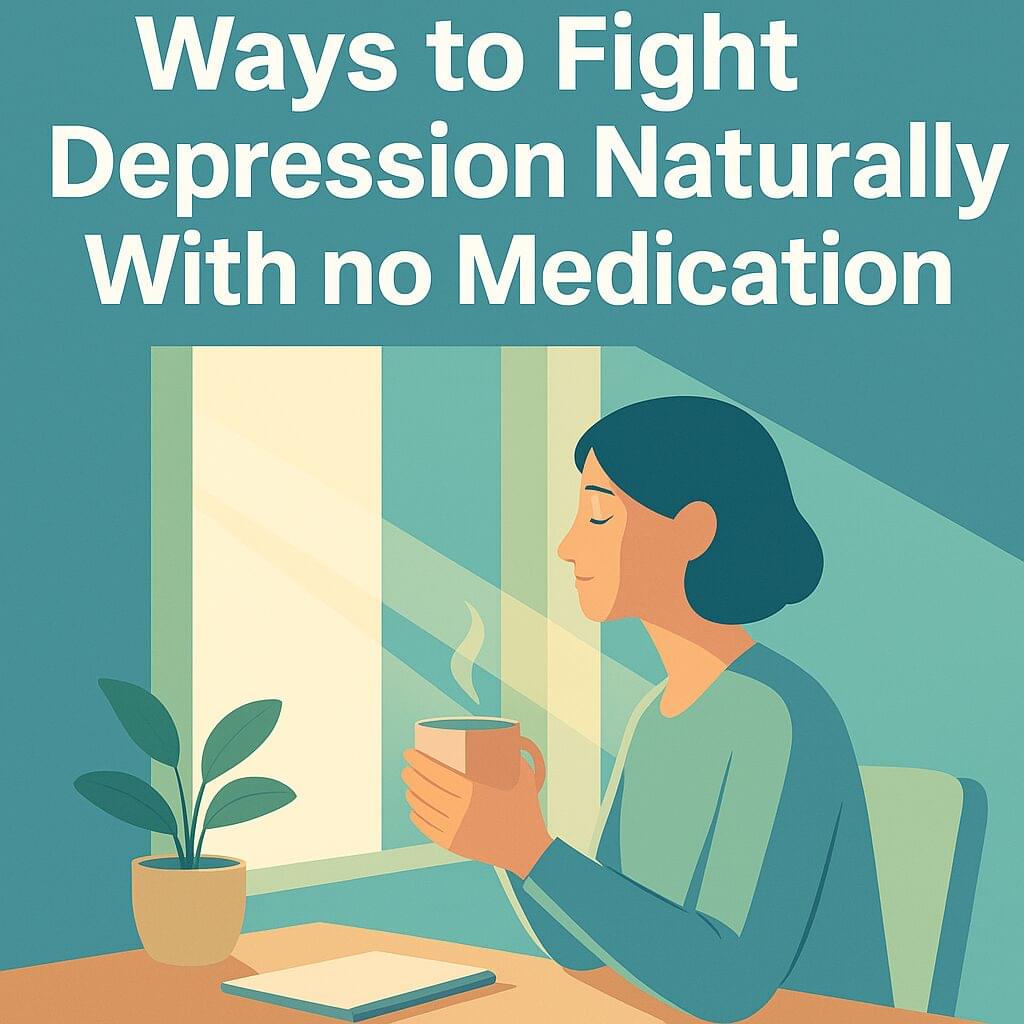
Natural Ways to Fight Depression Daily for Better Mental Health
Daily lifestyle changes that strengthen your mood, boost your energy, and support depression recovery.
Learn natural ways to fight depression daily with simple habits that support emotional healing. Discover morning routines, nutrition tips, sleep strategies, movement, mindset work, and daily mood boosters that help improve mental health and reduce symptoms.
Living with depression can feel heavy. You wake up tired. You move through the day with low energy. You try to focus but your mind feels foggy. These moments add up fast and they can shape the way you see yourself and the world.
The good news is that natural habits can make each day easier. Small steps can bring real change. When you use the right daily practices, you give your mind and body the support they need to heal.
This guide walks you through natural ways to fight depression daily using simple and effective routines. You will learn how to build mood boosting habits, emotional support tools, and healthy behaviors that help your mind feel stronger over time.
Why Natural Methods Work for Daily Depression Relief
Natural habits can support emotional health because they work with the brain. Your daily actions influence your mood. Your thoughts and routines shape your energy. Your lifestyle decisions affect your hormones, your nervous system, and your emotional stability.
Natural methods often improve your serotonin levels, your dopamine levels, your sleep patterns, and your stress response. These methods can also help you feel grounded, calm, and more in control of your day. Many people use natural tools because they offer low risk support and can be used at any time.
When you build these habits slowly, you train your brain to respond in a healthier way. That path supports long term healing.
Start with Small Morning Habits That Lift Your Mood
Your morning sets the tone for your day. When you add simple morning habits, you give your mind a fresh start.
Morning Sunlight Exposure
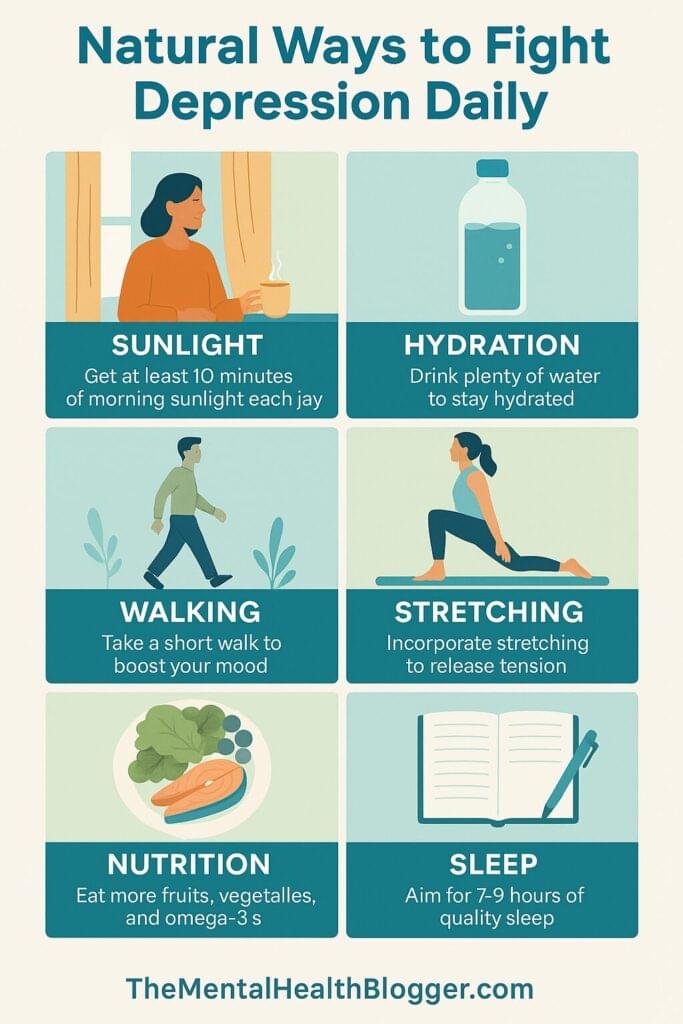
Sunlight boosts serotonin. It wakes up your brain and improves your energy. Step outside for ten minutes as soon as possible after waking. The natural light helps regulate your internal clock, which improves sleep and mood.
Drink Water Before Coffee
Many people wake up dehydrated. When your body lacks water, your mood drops. Drink one full glass of water before you drink coffee. This simple habit increases energy, mental clarity, and focus.
Make a Slow and Calm Start
Depression often feels worse when the morning is rushed. Give yourself a slow and peaceful start. Sit still for a moment. Stretch your body. Breathe deeply. These steps calm your nervous system and make the day easier to manage.
Use Movement to Improve Mood and Energy
Movement changes the brain. When you move your body, you produce endorphins. These chemicals give you a natural mood lift. You also reduce tension and anxiety. Regular movement strengthens emotional resilience.
Ways to Treat Depression Naturally with No Medications Video
In this video, you’ll discover actionable, science-inspired strategies to ease depression and anxiety naturally with no pills required.
Walking as a Daily Mood Support Tool
A simple walk can help break negative thought patterns. Try a gentle walk outside. Even ten minutes can make a difference. When you walk, you increase circulation, boost oxygen flow, and improve brain function.
Stretching to Release Emotional Tension
Your body holds emotional stress. Stretching helps release that tension. Focus on your shoulders, your neck, and your chest. These areas tighten when you feel sad or overwhelmed. Slow stretching gives you physical and emotional relief.
Light Strength Training for Mood Boosts
Strength training helps stabilize mood by increasing dopamine and serotonin. You can use small weights or simple body weight exercises. Even a few minutes per day creates positive changes.
Use Food and Nutrition to Support Your Brain
Your brain needs fuel. When you choose the right foods, your mood improves. Healthy nutrition can reduce fatigue, brain fog, irritability, and low energy.
Eat More Omega 3 Rich Foods
Omega 3 fatty acids support brain health. They improve mood regulation and reduce inflammation. Foods that help include salmon, tuna, chia seeds, walnuts, and flaxseed.
Add More Fruits and Vegetables
Fresh fruits and vegetables give your brain the vitamins and minerals it needs. They improve energy and help balance your mood. Try berries, leafy greens, oranges, bananas, and sweet potatoes.
Limit Sugar and Processed Foods
Sugar can spike your energy and then drop it fast. These swings make depression symptoms feel worse. Reduce processed snacks and choose whole foods when possible.
Build a Calm Mind with Daily Mental Habits
Your mind needs structure. Daily mental habits help reduce negative thoughts and improve emotional balance.
Practice Deep Breathing Throughout the Day
Deep breathing helps calm your nervous system. Take slow breaths through your nose. Hold for a moment. Release through your mouth. Do this anytime you feel stress or sadness.
Use Positive Self Talk
Depression can create negative beliefs about yourself. Replace negative thoughts with gentle and encouraging statements. Speak with kindness. Support yourself the way you would support a friend.
Keep a Daily Mood Journal
Write about your feelings. This helps you track patterns and understand triggers. A mood journal gives you a safe place to express yourself without judgment.
Improve Sleep to Support Healing
Sleep plays a major role in mental health. Poor sleep makes depression symptoms worse. Quality sleep restores the brain and reduces emotional stress.
Set a Consistent Sleep Schedule
Go to bed and wake up at the same time each day. Your brain works better when it follows a routine.
Limit Screen Time Before Bed
Screens confuse your brain and suppress melatonin. Put your phone away at least one hour before bed. This helps your mind relax.
Create a Calm Nighttime Routine
Use soft lighting. Stretch gently. Drink warm herbal tea. Read a calming book. These steps relax your body and prepare you for restful sleep.
Use Social Support to Feel Less Alone
Connection helps heal the mind. Depression often makes you feel isolated. Supportive relationships can reduce loneliness and increase hope.
Talk to Someone You Trust
Share your feelings with a friend, family member, or partner. You do not need to solve everything in one conversation. You just need connection.
Join a Support Group
Support groups provide understanding and comfort. Many people feel better when hearing others share similar experiences.
Spend Time Around Positive Influences
Surround yourself with people who lift you up. Choose safe and caring energy. These interactions help you feel stronger emotionally.
Use Creative Activities to Lift Your Mood
Creative activities help release emotions. They give your mind a break from stress and negative thoughts.
Art as Emotional Expression
Drawing, painting, or coloring can bring a sense of calm. These activities help your brain shift into a peaceful state.
Music for Mood Support
Music affects emotions instantly. Listen to calming music or uplifting songs. Create playlists that match the mood you want to feel.
Writing for Emotional Release
Write your thoughts, fears, or hopes. This helps you process emotions and understand yourself better.
Practice Daily Self Compassion
Depression can make you feel guilty or ashamed. Self compassion helps counter these feelings. It teaches you to be patient with yourself and accept your journey.
Talk to Yourself with Kindness
Use gentle words. Tell yourself you are trying. Tell yourself you are doing your best. Support yourself through difficult days.
Allow Yourself to Rest
Rest is part of healing. Give yourself breaks. Slow down when needed. This reduces pressure and prevents emotional burnout.
Celebrate Small Wins
Every small step matters. Celebrate even the smallest progress. These wins build motivation and confidence.
Final Thoughts
Depression is heavy, but you are not powerless. Daily habits can bring real comfort. When you use natural ways to fight depression each day, your mood slowly improves.
You feel more grounded. You feel more present. You feel more hopeful. These natural routines create a foundation for long term emotional strength.
Take small steps. Be gentle with yourself. Healing takes time. Each habit you build brings you closer to a healthier and more peaceful life.
Below is a full list of Google AI Overview style Questions and Answers written exactly the way AI Overview panels generate them:
short, simple, direct, factual, highly scannable, and optimized for your target keyword natural ways to fight depression daily.
These questions and answers are structured for maximum SEO and AI Overview visibility.
✅ Questions and Answers for “Natural Ways to Fight Depression Daily“
Q1: What are natural ways to fight depression daily?
Daily sunlight, movement, healthy meals, hydration, deep breathing, journaling, and regular sleep routines can support mood improvement. These natural habits help regulate serotonin, reduce stress, and improve emotional balance.
Q2: How does sunlight help with depression symptoms?
Sunlight increases serotonin, improves energy, and helps set your sleep cycle. Even ten minutes of morning sunlight can lift mood and support mental clarity.
Q3: Can simple morning habits help with depression?
Yes. Drinking water, stretching, avoiding phone use, and getting fresh air can reduce morning stress and create a calmer emotional start to the day.
Q4: How does walking help fight depression naturally?
Walking increases endorphins, reduces negative thinking, supports relaxation, and improves circulation. A short daily walk can make mood improvement easier.
Q5: What foods help with depression naturally?
Omega three rich foods, leafy greens, berries, bananas, whole grains, and nuts support brain health. These foods help regulate mood and stabilize energy.
Q6: Why does hydration matter for depression relief?
Low hydration can cause headaches, fatigue, irritability, and brain fog. Drinking water early in the day helps increase energy and improve mental focus.
Q7: Can deep breathing reduce depression symptoms?
Deep breathing calms the nervous system, lowers stress, and reduces emotional overwhelm. Slow breathing helps create a grounded and stable emotional state.
Q8: How does journaling help with depression?
Journaling helps release stress, process emotions, track patterns, and express thoughts safely. It gives structure to overwhelming feelings.
Q9: Why is sleep important for improving depression naturally?
Sleep restores brain function, stabilizes mood, improves emotional control, and reduces fatigue. A consistent sleep routine supports long term mental health.
Q10: Can limiting screen time help reduce depression?
Yes. Screens increase stress and disrupt sleep. Reducing screen time in the evening helps your brain relax and makes sleep easier.
Q11: Do support groups help with depression?
Support groups reduce isolation, provide understanding, and offer emotional validation. Feeling heard can improve mood and reduce loneliness.
Q12: Can talking to someone daily improve depression symptoms?
Regular connection strengthens emotional support, reduces stress, and prevents isolation. Even small conversations help improve mental well being.
Q13: How do creative activities help with depression?
Art, music, and writing release emotional tension, increase dopamine, and provide a healthy outlet for expressing feelings.
Q14: What self compassion habits help reduce depression?
Kind self talk, rest breaks, gentle routines, and celebrating small wins help calm the mind and improve emotional resilience.
Q15: Can small lifestyle changes really help with daily depression?
Yes. Small habits compound over time. Simple daily actions can create meaningful improvements in mood, energy, and emotional balance.
Q16: What is the easiest daily habit to start for depression relief?
A five minute walk, drinking a glass of water, deep breathing, or morning sunlight are quick and effective habits anyone can begin right away.
Q17: How long does it take to see improvement from natural methods?
Many people feel small improvements within a few days. Larger improvements often build over weeks as habits turn into consistent routines.
Q18: Can nutrition really make a difference in depression symptoms?
Yes. Nutrient rich foods improve brain chemistry, balance hormones, and reduce inflammation. These changes support better emotional health.
Q19: Why do experts recommend movement for depression?
Movement increases endorphins, reduces anxiety, improves circulation, and supports emotional release. Even short amounts of activity are helpful.
Q20: What daily habits help calm the mind during stressful moments?
Slow breathing, grounding exercises, gentle stretching, quiet reflection, and mindful breaks help lower stress and stabilize emotions.
More Articles From the Mental Health Blogger
High Functioning Anxiety Symptoms
https://thementalhealthblogger.com/high-functioning-anxiety-symptoms
Quick Coping Strategies for Anxiety Attacks
https://thementalhealthblogger.com/quick-coping-strategies-for-anxiety-attacks
Related Website References
National Institute of Mental Health (NIMH)
https://www.nimh.nih.gov
NIMH provides science based information about depression, symptoms, daily coping strategies, and treatment options. It is one of the most reputable mental health resources available.
Mayo Clinic – Depression Overview
https://www.mayoclinic.org
The Mayo Clinic offers expert reviewed articles on depression, lifestyle changes, nutrition guidance, sleep support, and natural ways to improve mental health.
Anxiety and Depression Association of America (ADAA)
https://adaa.org
ADAA provides education about depression, stress management, natural coping tools, and daily habits that support better emotional health.