Written by Kevin Mack | 2026
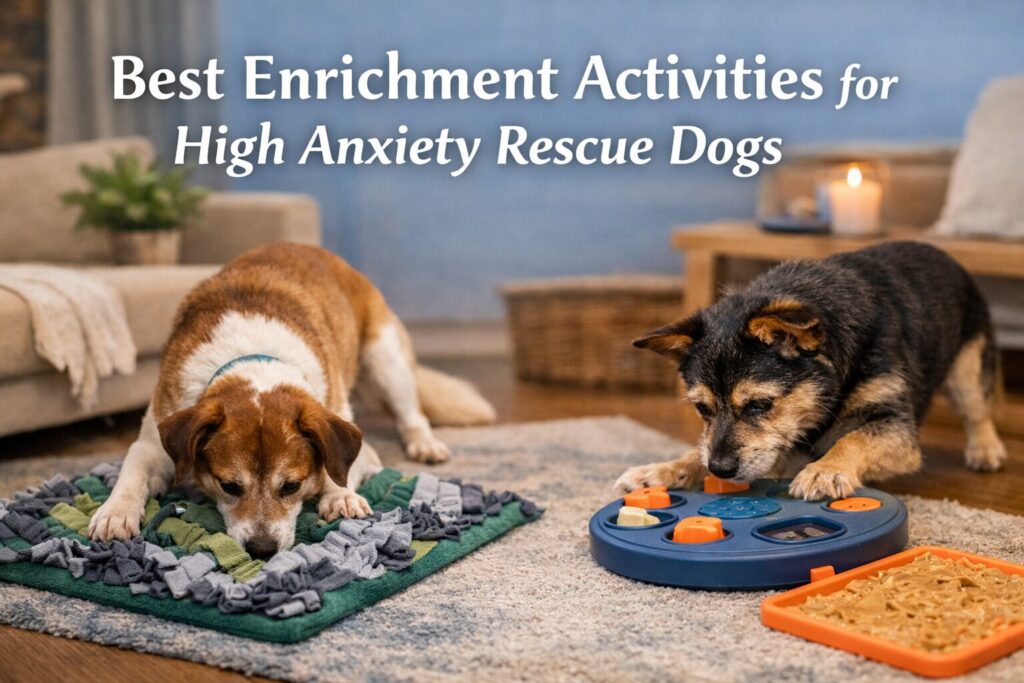
The best enrichment activities for high anxiety rescue dogs are calming mental and physical exercises that reduce stress and build confidence. These activities focus on routine, problem solving, and emotional safety. When used consistently, enrichment helps anxious rescue dogs feel secure and engaged in their daily environment.
Contents
- 1 Introduction
- 2 What Are Enrichment Activities for High Anxiety Rescue Dogs?
- 3 Why Enrichment Activities Matter in 2026
- 4 Key Benefits of Enrichment Activities for High Anxiety Rescue Dogs
- 5 Step by Step Guide to Enrichment for High Anxiety Rescue Dogs
- 6 Best Tools or Resources for Enrichment
- 7 Common Mistakes to Avoid
- 8 Real World Tips for Better Results
- 9 Top Questions and Clear Answers
- 10 People Also Ask
- 11 Final Thoughts
- 12 Author Box
- 13 References / External Links
Introduction
Discover the best enrichment activities for high-anxiety rescue dogs. Learn calming mental and physical exercises that reduce stress, build confidence, and improve behavior naturally.
High anxiety rescue dogs often carry emotional scars from neglect, abandonment, or unstable living conditions.
These dogs do not misbehave on purpose. They react from fear and uncertainty. Loud noises, new people, or sudden changes can overwhelm them quickly.
Enrichment activities provide a safe outlet for that stress. They give anxious dogs something positive to focus on.
When done correctly, enrichment calms the nervous system and encourages healthy behavior. It also helps dogs learn that their environment is predictable and safe.
This guide covers the best enrichment activities for high anxiety rescue dogs.
You will learn how to use mental stimulation, gentle movement, and routine based enrichment to reduce stress and support emotional healing.
What Are Enrichment Activities for High Anxiety Rescue Dogs?
Enrichment activities are structured exercises that stimulate a dog’s mind and body in a calm and controlled way.
For anxious rescue dogs, enrichment focuses on:
- Mental engagement
- Predictable routines
- Emotional regulation
These activities help dogs feel in control. They replace fear responses with focus and curiosity.
Enrichment is especially important for rescue dogs that struggle with pacing, hiding, barking, or destructive behavior.
Why Enrichment Activities Matter in 2026
More rescue dogs are entering homes with busy schedules and limited outdoor time. Anxiety issues are becoming more common.
Enrichment matters because it:
- Reduces anxiety without relying only on medication
- Supports behavior training and rehabilitation
- Improves long term adoption success
Enrichment also builds trust. Dogs that feel mentally satisfied are calmer and easier to train. Over time, this creates a stronger bond between dog and owner.
Key Benefits of Enrichment Activities for High Anxiety Rescue Dogs
- Reduces stress naturally
Enrichment redirects nervous energy into safe and calming activities. - Builds confidence
Problem solving teaches dogs that they can succeed without fear. - Improves behavior
Mentally engaged dogs show fewer destructive habits. - Creates emotional stability
Routine based enrichment helps dogs feel safe and grounded. - Strengthens trust
Shared activities improve communication and bonding.
Step by Step Guide to Enrichment for High Anxiety Rescue Dogs
Step 1 Start With Calm Mental Enrichment
Begin with low pressure activities that encourage slow thinking.
Good options include:
- Snuffle mats
- Treat scatter feeding
- Simple puzzle toys
Let your dog explore at their own pace. Avoid rushing or forcing interaction. One common mistake is introducing too much stimulation too soon.
Video – How to Build Confidence and Refuce Anxiety in Your Dog
This video demonstrates calm enrichment techniques that help reduce anxiety and build confidence in rescue dogs.
Step 2 Add Gentle Physical Enrichment
Once your dog feels comfortable, introduce slow movement activities.
Examples include:
- Quiet leash walks
- Slow obstacle navigation
- Indoor scent games
These activities release tension without overstimulation. Keep sessions short. End on a calm note.
Step 3 Create a Predictable Enrichment Routine
Consistency is critical for anxious rescue dogs.
Create a routine that includes:
- Scheduled enrichment times
- Familiar activities
- Gradual progression
Avoid changing activities daily. Predictability helps reduce anxiety and builds emotional safety.
Best Tools or Resources for Enrichment
- Snuffle mats for scent based engagement
- Lick mats with calming foods
- Puzzle feeders designed for slow use
- Beginner nose work kits
Choose tools that encourage calm focus instead of excitement.
Common Mistakes to Avoid
- Overstimulating anxious dogs
- Introducing too many new activities at once
- Ignoring stress signals
- Using enrichment as punishment
Always observe your dog’s body language. Adjust as needed.
Real World Tips for Better Results
Start small. Progress slowly. Some rescue dogs need weeks to feel comfortable. Praise calm behavior instead of excitement. If your dog disengages, stop and try again later. Patience leads to lasting results.
Top Questions and Clear Answers
1. What are the best enrichment activities for high anxiety rescue dogs?
The best enrichment activities for high anxiety rescue dogs include snuffle mats, scent games, lick mats, puzzle feeders, and calm routine based exercises. These activities reduce stress by encouraging focus and problem solving while helping anxious dogs feel safe and mentally engaged.
2. How does enrichment help reduce anxiety in rescue dogs?
Enrichment helps reduce anxiety in rescue dogs by redirecting nervous energy into calming mental and physical tasks. It supports emotional regulation, builds confidence, and creates predictable routines that help anxious dogs feel more secure in their environment.
3. How often should enrichment activities be used for anxious rescue dogs?
Enrichment activities should be used daily for anxious rescue dogs. Even short sessions provide mental stimulation and emotional balance. Consistent enrichment works better than long or intense sessions and helps maintain calm behavior over time.
4. Are enrichment toys safe for dogs with severe anxiety?
Yes, enrichment toys are safe for dogs with severe anxiety when introduced slowly and used correctly. Calm, food based, and scent focused toys work best. Avoid overstimulating toys and always monitor your dog’s stress signals during use.
5. Can enrichment activities replace training for high anxiety rescue dogs?
No, enrichment activities do not replace training. They support training by reducing stress and improving focus. Enrichment works best when combined with positive reinforcement training and guidance from a qualified professional if needed.
People Also Ask
What activities help calm an anxious rescue dog?
Calming activities for anxious rescue dogs include scent based games, lick mats, slow walks, and quiet puzzle toys. These activities encourage focus and relaxation while reducing stress. Consistent routines help anxious dogs feel safe and emotionally balanced.
What enrichment is best for dogs with anxiety?
The best enrichment for dogs with anxiety focuses on mental stimulation without overstimulation. Snuffle mats, food puzzles, nose work, and structured routines work well. These activities help redirect nervous energy into calm and positive behavior.
How long does it take for enrichment to help an anxious rescue dog?
Most anxious rescue dogs show improvement within a few weeks of consistent enrichment. Some dogs respond sooner, while others need more time. Progress depends on the dog’s history, anxiety level, and how regularly enrichment is used.
Final Thoughts
The best enrichment activities for high anxiety rescue dogs focus on calm engagement and emotional safety. When used consistently, enrichment reduces stress, improves behavior, and builds confidence. Small steps create big changes over time. Your patience plays the biggest role in your dog’s healing journey.
Author Box
Kevin Mack is an experienced content creator who writes educational guides focused on behavior, wellness, and practical solutions that improve quality of life for people, animals and their caregivers.
References / External Links
- American Kennel Club
https://www.akc.org
Use for information on dog behavior, enrichment activities, anxiety management, and training best practices. - ASPCA
https://www.aspca.org
Ideal for rescue dog care, anxiety related behavior guidance, and enrichment recommendations for adopted dogs. - VCA Animal Hospitals
https://vcahospitals.com
Strong reference for veterinary reviewed content on canine anxiety, mental stimulation, and behavioral wellness.