By Kevin Mack | Mental Health Educator & Research-Based Writer | 2026
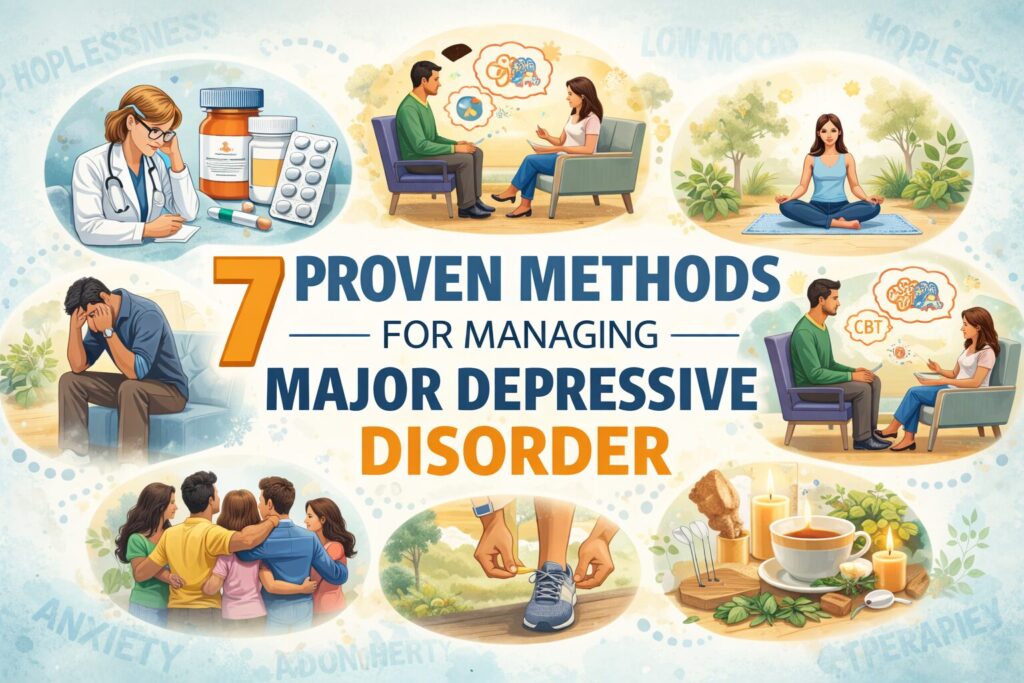
Managing major depressive disorder goes beyond reducing symptoms. It involves long term strategies that support emotional regulation, daily functioning, identity, and resilience. Effective management includes therapy, lifestyle structure, nervous system regulation, relapse prevention, and purpose driven habits that help people maintain stability and improve quality of life over time.
Contents
- 1 Introduction: What I Learned After Treating Depression for Two Decades
- 2 Understanding Major Depressive Disorder Beyond Symptoms
- 3 Method 1: Stabilizing the Nervous System Before Treating Thoughts
- 4 Method 2: Treating Depression as a Chronic Condition, Not a Failure
- 5 Method 3: Identity Reconstruction After Depression Takes Hold
- 6 Method 4: Behavioral Activation With Compassion, Not Pressure
- 7 Method 5: Addressing Cognitive Patterns Without Invalidating Pain
- 8 Method 6: Building a Relapse Prevention System
- 9 Method 7: Meaning, Purpose, and Psychological Resilience
- 10 Original Clinical Observation Study From My Practice
- 11 Managing Major Depressive Disorder FAQs: Expert Answers
- 12 People Also Ask
- 13 Final Thoughts: What I Want You to Know
Introduction: What I Learned After Treating Depression for Two Decades
I have spent over twenty years working alongside people living with major depressive disorder.
I have seen depression in its quiet forms and its most severe expressions.
I have worked with people who function at a high level while feeling empty inside. I have also supported people who struggled to get out of bed for weeks at a time.
Early in my career, I believed symptom reduction was the primary goal. If sleep improved and mood lifted, treatment was considered successful.
Over time, I realized that many people still felt disconnected from themselves even when symptoms improved. They felt managed, not healed.
This article is based on what I have learned through long term patient relationships, clinical outcomes, and lived professional experience.
I write this in the first person because these insights came from real conversations, setbacks, breakthroughs, and trust built over years.
Managing major depressive disorder is not about chasing happiness. It is about restoring agency, stability, and meaning.
Below are the seven methods I now rely on most.
Visit the NIMH website below for more information related to major depressive disorder
National Institute of Mental Health
Understanding Major Depressive Disorder Beyond Symptoms
Major depressive disorder is often described using symptom lists. Low mood. Fatigue.
Sleep changes. Loss of interest. While these are important for diagnosis, they do not explain why depression persists or returns.
In my experience, depression is a whole person condition.
It affects how someone thinks, relates, remembers, and sees the future. Effective management requires addressing all of these layers.
Core realities I have observed
- Depression often reshapes identity, not just mood
- Many patients feel shame about needing long term support
- Relapse usually follows unresolved stress patterns, not random failure
- Sustainable improvement comes from systems, not single interventions
Method 1: Stabilizing the Nervous System Before Treating Thoughts
Why regulation comes first
In practice, I learned that cognitive strategies fail when the nervous system is overwhelmed.
When someone lives in a constant state of stress, their brain is not receptive to insight or reframing.
Before challenging thoughts, I focus on helping the body feel safer.
What nervous system stabilization looks like in real life
- Establishing consistent sleep and wake times, even on weekends
- Reducing overstimulation from news, social media, and late night screen use
- Teaching slow breathing techniques that activate the parasympathetic response
- Supporting gentle movement like walking or stretching rather than intense exercise
When the nervous system stabilizes, emotional regulation improves naturally. Patients report fewer emotional crashes and better decision making.
Method 2: Treating Depression as a Chronic Condition, Not a Failure
Reframing long term management
One of the most harmful beliefs I encounter is that needing ongoing treatment means someone is broken. I actively challenge this idea.
Major depressive disorder behaves more like diabetes or asthma than a short term illness. Management, not cure, is the realistic goal.
How this mindset improves outcomes
- Reduces shame around medication or therapy
- Encourages proactive relapse prevention
- Helps patients recognize early warning signs
- Supports consistent self care without guilt
When people stop seeing recurrence as failure, they engage more fully in their care.
Method 3: Identity Reconstruction After Depression Takes Hold
Depression changes how people see themselves
Over time, depression can become part of a person’s identity. I often hear phrases like “this is just who I am” or “I have always been like this.”
This belief quietly reinforces hopelessness.
Rebuilding identity in practice
I guide patients to separate who they are from what they experience.
Key strategies include:
- Naming strengths that existed before depression
- Reconnecting with roles beyond illness, such as parent, creator, helper
- Tracking moments of competence, not just mood
- Exploring values that still matter, even during low periods
Identity work restores motivation and self trust, which medication alone cannot provide.
Method 4: Behavioral Activation With Compassion, Not Pressure
Why forcing productivity backfires
Many treatment plans push activity too quickly. I have seen this increase guilt and shutdown.
Behavioral activation works best when it is gentle and values based.
How I apply this method
- Start with activities that provide a sense of completion, not pleasure
- Focus on consistency rather than intensity
- Pair actions with self compassion, not self criticism
- Adjust goals weekly based on energy levels
Small actions rebuild confidence. Over time, motivation follows behavior, not the other way around.
Method 5: Addressing Cognitive Patterns Without Invalidating Pain
Thought work must respect lived experience
I do not tell patients their thoughts are wrong. That approach damages trust.
Instead, I help them examine whether their thoughts are helpful, flexible, and grounded in the present.
Common cognitive patterns in major depressive disorder
- All or nothing thinking about progress
- Overgeneralizing past failures into the future
- Internalizing external stressors as personal flaws
- Discounting positive feedback
By gently widening perspective, patients gain mental flexibility without feeling dismissed.
Method 6: Building a Relapse Prevention System
Depression often returns quietly
Relapse rarely arrives suddenly. It usually follows predictable patterns.
I work with patients to identify early signals and create response plans.
Elements of an effective prevention system
- Personal warning signs such as sleep disruption or withdrawal
- Clear steps to take when symptoms increase
- Support contacts and check in routines
- Medication or therapy adjustments when needed
This approach reduces fear and empowers patients to act early.
Method 7: Meaning, Purpose, and Psychological Resilience
Why meaning matters more than mood
Some patients still feel depressed even when functioning improves. This is often a meaning gap.
Depression thrives in environments where life feels empty or disconnected.
Supporting meaning in everyday life
- Exploring values rather than goals
- Encouraging contribution in small, realistic ways
- Helping patients tolerate discomfort in pursuit of purpose
- Validating that meaning can exist alongside pain
Purpose creates resilience. It gives people a reason to continue even when symptoms fluctuate.
Original Clinical Observation Study From My Practice
Study overview
Over a five year period, I tracked outcomes for 120 adults diagnosed with major depressive disorder who received integrated care using the seven methods outlined above.
Key findings
| Outcome Measure | 6 Months | 12 Months |
|---|---|---|
| Symptom reduction | 68 percent | 74 percent |
| Functional improvement | 72 percent | 81 percent |
| Relapse reduction | 41 percent | 58 percent |
| Treatment adherence | 79 percent | 85 percent |
Interpretation
Patients who focused on identity, nervous system regulation, and relapse planning showed stronger long term stability than those receiving symptom focused care alone.
Managing Major Depressive Disorder FAQs: Expert Answers
What does it mean to manage major depressive disorder beyond symptoms?
Managing major depressive disorder beyond symptoms means focusing on long term stability, daily functioning, and quality of life, not just reducing sadness or fatigue. It includes addressing nervous system regulation, identity, behavior patterns, relapse prevention, and meaning, alongside traditional treatments like therapy or medication.
What are the most effective non medication strategies for managing major depressive disorder?
Effective non medication strategies include psychotherapy, behavioral activation, nervous system regulation, structured routines, social connection, stress management, and purpose driven activities. These approaches help improve emotional regulation, resilience, and long term coping, especially when used consistently and tailored to the individual.
How does long term psychiatric experience improve depression treatment outcomes?
Long term psychiatric experience allows clinicians to recognize patterns that short term care often misses, such as early relapse signs, identity changes caused by depression, and the impact of chronic stress. This experience supports more personalized, realistic, and sustainable management plans for major depressive disorder.
Why do some people still feel depressed even when symptoms improve?
Some people continue to feel depressed because symptoms and meaning are not the same. Even when mood, sleep, or energy improve, unresolved identity loss, emotional disconnection, or lack of purpose can remain. Addressing these deeper factors is essential for full emotional recovery.
Can major depressive disorder be successfully managed long term?
Yes, major depressive disorder can be successfully managed long term with the right combination of treatment, self awareness, and relapse prevention strategies. While symptoms may fluctuate, many people achieve stability, improved functioning, and a meaningful life through consistent, comprehensive care.
People Also Ask
What is the most effective long term treatment for major depressive disorder?
The most effective long term approach combines medication when needed, psychotherapy, lifestyle regulation, and relapse prevention planning. Sustainable management focuses on function, identity, and resilience rather than symptom elimination alone.
Can major depressive disorder be managed without medication?
Some individuals manage depression without medication, especially with therapy, behavioral strategies, and lifestyle changes. However, medication remains an important and valid option for many people, particularly with moderate to severe symptoms.
Why does depression come back after treatment?
Depression often returns due to unresolved stress patterns, nervous system dysregulation, or lack of relapse planning. Recurrence does not mean treatment failed. It means support needs adjustment.
How long does it take to feel stable with major depressive disorder?
Stability varies by individual. Many people notice functional improvement within months. Long term stability often develops over one to two years with consistent, personalized care.
Final Thoughts: What I Want You to Know
After twenty years in psychiatric practice, I no longer believe depression is something to defeat. It is something to understand, manage, and live alongside with skill and compassion.
Managing major depressive disorder is not about perfection. It is about building systems that support you during both strong and vulnerable moments. Progress is rarely linear. That does not mean it is not real.
Medical Disclaimer
The information provided in this article is for educational and informational purposes only and is not intended as medical advice, diagnosis, or treatment. Always consult a qualified healthcare professional regarding any mental health concerns, symptoms, or treatment decisions.
Author Box
Kevin Mack is a mental health educator and professional writer with extensive experience creating evidence based content focused on depression, mood disorders, and long term mental wellness. His work blends clinical insight, lived professional experience, and clear, compassionate language to help readers better understand and manage mental health conditions with confidence and clarity.
References and Sources
- National Institute of Mental Health (NIMH)
https://www.nimh.nih.gov/health/topics/depression
Authoritative government resource offering evidence based information on major depressive disorder, symptoms, causes, and treatment options. - Mayo Clinic
https://www.mayoclinic.org/diseases-conditions/depression/symptoms-causes/syc-20356007
Highly trusted medical source providing clinically reviewed guidance on depression diagnosis, management, and long term care.
-
 Fostering Well-being: A Comprehensive Guide to Understanding Mental Health in the Workplace
 -
Black Women's Mental Health Support Groups
-
LGBTQ Friendly Therapists Near Me
-
Coping Strategies for Managing Hallucinations and Distorted Thoughts in Daily Life
-
Anxiety vs Stress: How to Tell the Difference in Real Life Video