By Kevin Mack, Mental Health Writer & Wellness Advocate – Published February 6, 2026
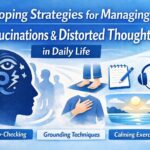
Coping strategies for managing hallucinations and distorted thoughts include grounding techniques, calming routines, and supportive reality-check practices. Focusing on your senses, staying connected to trusted people, and following a daily structure can help you feel safer, more stable, and more in control.
Contents
Coping Skills for Hallucinations, Paranoia, or Delusions — Strategies for Daily Life Support
Coping strategies for managing hallucinations and distorted thoughts can help you feel safer, calmer, and more in control each day. This supportive guide shares grounding techniques, reality-check tools, and practical daily steps to reduce distress and improve emotional stability.
For a deeper clinical overview of psychosis-related symptoms, the National Institute of Mental Health provides a helpful resource on mental health conditions and perception changes.
Learn practical coping skills for dealing with hallucinations, paranoia, and delusional thinking in this educational presentation from NEOMED’s Project ECHO series.
This video explores evidence-informed techniques adapted from cognitive-behavioral therapy for psychosis (CBTp) that help people understand and respond to distressing symptoms in safer, more grounded ways.
Viewers will learn about:
- Recognizing early warning signs of hallucinations or distorted thoughts
- Reality-checking and grounding techniques to stay connected to the present moment
- Emotional regulation tools to reduce fear and anxiety
- Practical steps for responding rather than reacting to challenging experiences
- Supportive strategies for caregivers and allies
Whether you are living with symptoms yourself or supporting someone who is, this video offers compassionate, skills-based tools to enhance daily functioning and personal control.
If you need support or want to connect with others who understand these experiences, NAMI offers trusted education, peer resources, and mental health support options.
Coping Skills for Hallucinations and More
FAQ: Coping Strategies for Managing Hallucinations and Distorted Thoughts
What are the best coping strategies for hallucinations in daily life?
Some of the most helpful coping strategies for hallucinations include grounding exercises, calming routines, and reality-based support. Many people find relief by focusing on their senses, using distraction techniques like music or movement, and reaching out to someone they trust. The goal is not to fight the experience, but to stay safe, steady, and emotionally supported.
How can I tell if my thoughts are distorted or not real?
Distorted thoughts often feel extremely convincing in the moment, especially when anxiety or stress is high. A helpful approach is to pause and ask yourself gentle reality-check questions like: “Do I have evidence for this?” or “Could there be another explanation?” Writing thoughts down or talking them through with a trusted person can also bring clarity.
What grounding techniques help during hallucinations or paranoia?
Grounding techniques help reconnect you to the present moment. Common methods include:
- Naming 5 things you can see
- Holding something cold or textured
- Focusing on slow breathing
- Listening to familiar sounds
- Placing your feet firmly on the floor
These small actions can reduce emotional intensity and help you feel more in control.
Can stress make hallucinations or distorted thinking worse?
Yes, stress is a common trigger that can intensify hallucinations, paranoia, or intrusive thoughts. When your nervous system is overwhelmed, your brain may struggle to process reality clearly. That’s why calming routines, rest, hydration, and emotional support can make a real difference over time.
What should I do if hallucinations feel scary or overwhelming?
If hallucinations feel frightening, focus first on safety and grounding. Try to move to a calm space, remind yourself that the experience will pass, and reach out to someone supportive. If symptoms become intense, frequent, or unsafe, it may be helpful to seek professional mental health support.
Are hallucinations always a sign of a serious mental illness?
Not always. Hallucinations can happen for many reasons, including extreme stress, trauma, sleep deprivation, grief, or certain medical conditions. The most important thing is to approach the experience with compassion and get support if it interferes with daily life.
How can I support a loved one experiencing hallucinations or delusions?
Supporting someone starts with staying calm and non-judgmental. Instead of arguing about what’s real, focus on how they feel. You can say things like:
- “That sounds really scary. I’m here with you.”
- “How can I help you feel safer right now?”
Encouraging professional support gently can also be helpful.
Can coping skills reduce hallucinations over time?
Coping skills may not eliminate hallucinations immediately, but they can reduce distress, improve emotional regulation, and help people respond with more stability. Many therapeutic approaches, including CBT-based strategies, focus on building long-term confidence and daily functioning.
When should someone seek help for hallucinations or distorted thoughts?
It may be time to seek help if hallucinations or distorted thoughts:
- Happen frequently
- Cause intense fear or disruption
- Affect work, relationships, or sleep
- Involve harmful commands or unsafe urges
Professional support can provide tools, safety planning, and treatment options.
People Also Ask: Hallucinations and Distorted Thoughts Coping Strategies
How do you calm down when experiencing hallucinations?
Calming down during hallucinations often starts with grounding yourself in the present moment. Many people find it helpful to focus on slow breathing, name objects around them, listen to familiar sounds, or move to a safe and quiet space. These small steps can reduce fear and help you feel more in control.
What are common coping skills for distorted thoughts?
Common coping skills for distorted thoughts include reality-checking, journaling, mindfulness, and cognitive reframing. Asking yourself questions like “Is there another explanation?” or “What evidence do I have?” can help interrupt overwhelming mental patterns and bring clarity.
Can hallucinations go away with coping strategies alone?
Coping strategies may not immediately stop hallucinations, but they can reduce emotional distress and improve daily stability. Many people learn to respond differently over time, which can lessen how intense or disruptive hallucinations feel. Professional support can also provide additional tools and treatment options.
What triggers hallucinations or delusional thinking?
Hallucinations and delusional thinking can be triggered by stress, trauma, sleep deprivation, substance use, certain medical conditions, or mental health challenges. Triggers vary from person to person, which is why tracking patterns and building calming routines can be helpful.
How do you reality-check hallucinations or paranoia?
Reality-checking involves gently testing your thoughts without judgment. You might ask yourself if there is evidence for what you believe, talk to a trusted person, or write down what you are experiencing. The goal is not to argue with yourself, but to stay grounded and supported.
What should you not do when someone is hallucinating?
When someone is hallucinating, it’s usually best not to mock, dismiss, or aggressively argue with what they are experiencing. Instead, respond with calm reassurance and focus on how they feel. Supportive phrases like “I’m here with you” can be more helpful than debating what is real.
Are hallucinations always linked to schizophrenia?
No, hallucinations are not always linked to schizophrenia. They can occur due to severe anxiety, PTSD, grief, sleep deprivation, medication effects, neurological conditions, or other mental health experiences. A professional evaluation can help identify the cause if symptoms persist.
When should someone seek help for hallucinations or distorted thinking?
Someone should consider seeking help if hallucinations or distorted thoughts are frequent, frightening, disruptive, or affecting daily functioning. Immediate support is especially important if symptoms involve unsafe commands, extreme paranoia, or thoughts of harm.
What are grounding techniques for intrusive or distorted thoughts?
Grounding techniques for intrusive or distorted thoughts include sensory exercises like the 5-4-3-2-1 method, holding something cold, focusing on physical movement, or repeating calming statements. These techniques help reconnect the brain to the present moment.
Author Box
Kevin Mack is a mental health content writer and wellness advocate who creates supportive, non-medical resources for people managing anxiety, distorted thoughts, and emotional overwhelm. His work focuses on practical coping strategies, clear guidance, and compassionate mental wellness education.
Non-Medical Disclaimer
This article is for informational and educational purposes only and is not a substitute for medical advice, diagnosis, or treatment. If you are experiencing hallucinations, severe distress, or distorted thoughts that interfere with daily life, it is important to seek support from a qualified mental health professional. If you feel unsafe or are in immediate danger, please contact emergency services or a crisis support line right away.
Sources and References
- National Alliance on Mental Illness (NAMI) – Hallucinations and Psychosis Support
https://www.nami.org - National Institute of Mental Health (NIMH) – Mental Health Information and Resources
https://www.nimh.nih.gov - Cleveland Clinic – Psychosis and Hallucination Overview
https://my.clevelandclinic.org - American Psychological Association (APA) – Coping and Mental Wellness Tools
https://www.apa.org
-
 Fostering Well-being: A Comprehensive Guide to Understanding Mental Health in the Workplace
 -
Black Women's Mental Health Support Groups
-
LGBTQ Friendly Therapists Near Me
-
Coping Strategies for Managing Hallucinations and Distorted Thoughts in Daily Life
-
Anxiety vs Stress: How to Tell the Difference in Real Life Video