Contents
- 1 Introduction: Understanding Mood Disorders
- 2 What Is Depression?
- 3 What Is Bipolar Disorder?
- 4 Key Differences Between Bipolar Disorder and Depression Explained
- 5 Shared Symptoms Between Bipolar Disorder and Depression
- 6 Causes and Risk Factors
- 7 Diagnosis: How Professionals Differentiate Them
- 8 Treatment Options
- 9 Living with Depression or Bipolar Disorder
- 10 When to Seek Professional Help
- 11 Summary Table: Bipolar Disorder vs Depression
- 12 Conclusion
- 13 FAQ Section
- 14 References
Introduction: Understanding Mood Disorders
Learn the key differences between bipolar disorder and depression, including their symptoms, causes, diagnosis, and treatment options. Understand how these mental health conditions differ to get the right help and support.
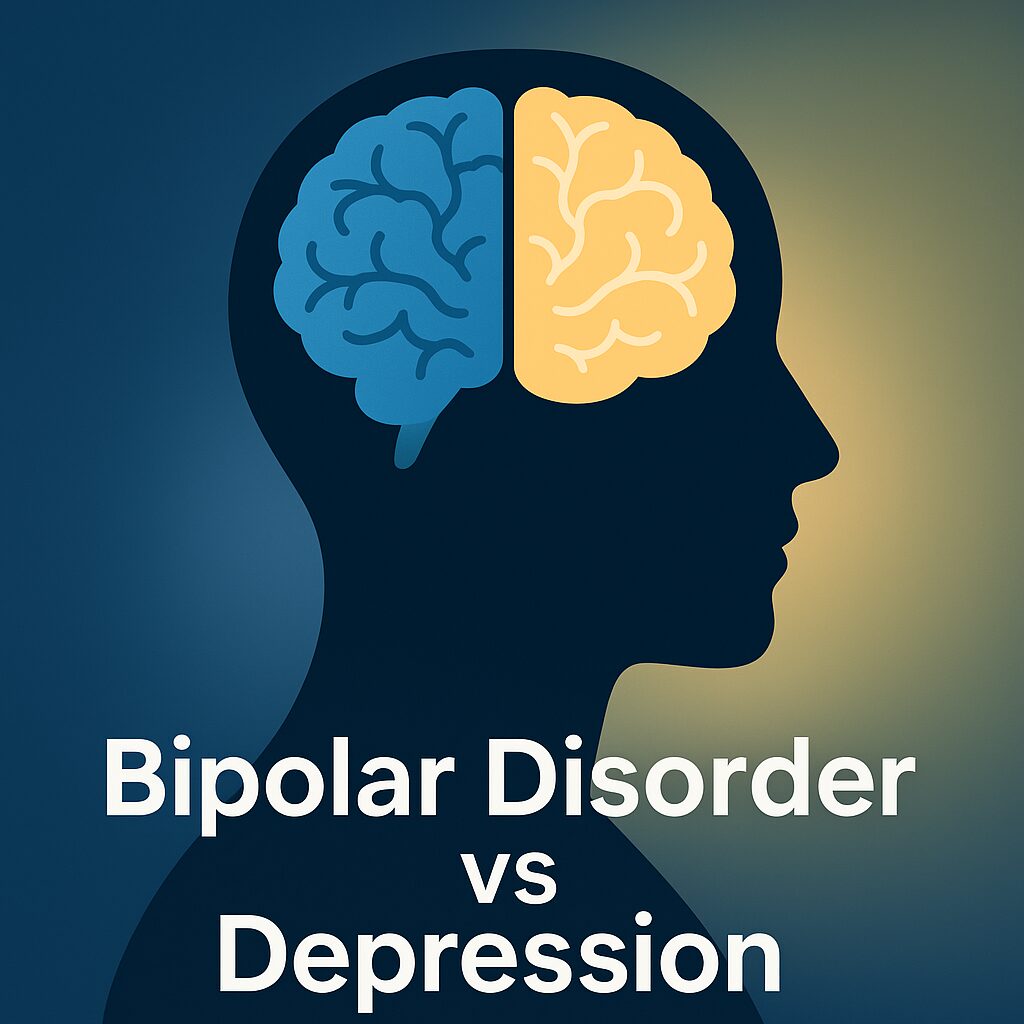
Mental health can be complex. Many people struggle to understand the difference between depression and bipolar disorder because both involve deep sadness and emotional changes.
Yet these two conditions are not the same. Each affects the mind, emotions, and behavior in different ways.
Depression causes persistent sadness, hopelessness, and a loss of interest in daily life.
Bipolar disorder, on the other hand, brings extreme mood swings that shift between emotional highs and lows. These shifts can be confusing and often lead to misdiagnosis.
Learning the difference between bipolar disorder and depression helps people recognize symptoms early and seek proper treatment.
Understanding how each condition works also breaks down stigma and encourages compassion toward those living with mood disorders.
What Is Depression?
Definition and Overview
Depression, also known as major depressive disorder, is more than just feeling sad. It affects how a person thinks, feels, and behaves.
It can interfere with work, school, and relationships. Depression often makes simple tasks feel impossible and can last for weeks or even months if untreated.
According to the Diagnostic and Statistical Manual of Mental Disorders (DSM-5), depression involves persistent feelings of sadness or a loss of interest in once-enjoyable activities for at least two weeks.
It can cause emotional, physical, and cognitive symptoms that vary in severity.
Common Symptoms of Depression
People with depression may experience one or more of the following:
- A constant feeling of sadness or emptiness
- Fatigue or a lack of energy even after rest
- Difficulty concentrating or making decisions
- Feelings of guilt, worthlessness, or hopelessness
- Sleep problems, such as insomnia or excessive sleeping
- Changes in appetite and weight
- Withdrawal from friends and activities
- Thoughts of death or suicide
These symptoms can make daily life feel overwhelming. Without proper care, depression can worsen over time, which is why early recognition and treatment are essential.
Types of Depression
Depression can appear in different forms, including:
- Major Depressive Disorder (MDD): The most common and severe form, marked by deep sadness and loss of interest.
- Persistent Depressive Disorder (Dysthymia): A long-term form of depression that lasts for two years or more.
- Seasonal Affective Disorder (SAD): A type of depression linked to seasonal changes, often occurring during winter.
- Postpartum Depression: A depressive episode that occurs after childbirth.
- Atypical Depression: Involves mood reactivity, where positive events can temporarily lift mood, along with increased appetite and sleep.
Depression Test Free Online: Take a 5 Minute Quiz Today
What Is Bipolar Disorder?
Definition and Overview
Bipolar disorder is a mental health condition that causes extreme mood changes ranging from emotional highs to deep lows.
These highs are called manic or hypomanic episodes, while the lows resemble depression.
The mood swings can happen several times a year or in shorter cycles depending on the individual.
During a manic phase, a person may feel unusually energetic, happy, or irritable.
They may talk quickly, make impulsive decisions, or sleep very little. In a depressive phase, they experience sadness, fatigue, and hopelessness similar to those seen in major depression.
Bipolar disorder is a lifelong condition that requires consistent treatment and lifestyle management.
Symptoms of Bipolar Disorder
Manic Phase Symptoms:
- Elevated or irritable mood
- Increased energy or activity levels
- Racing thoughts or fast speech
- Inflated sense of confidence or grandiosity
- Decreased need for sleep
- Impulsive or risky behavior such as overspending or unsafe driving
Depressive Phase Symptoms:
- Persistent sadness or emptiness
- Low energy and motivation
- Changes in sleep or appetite
- Feelings of guilt or hopelessness
- Difficulty concentrating
- Withdrawal from family or social life
Types of Bipolar Disorder
- Bipolar I Disorder: Involves at least one full manic episode lasting seven days or leading to hospitalization.
- Bipolar II Disorder: Includes hypomanic episodes that are less severe and at least one major depressive episode.
- Cyclothymic Disorder: A milder but long-term version that involves frequent mood changes for two years or more.
- Other Specified and Unspecified Bipolar Disorders: Meet some but not all criteria for bipolar disorder yet still disrupt daily life.
Key Differences Between Bipolar Disorder and Depression Explained
Presence of Mania or Hypomania
This is the biggest difference between the two. Depression includes only low moods, while bipolar disorder includes both highs and lows. The manic or hypomanic episodes in bipolar disorder make it unique and often harder to diagnose.
Mood Fluctuation Patterns
Depression causes consistent sadness and emotional numbness. Bipolar disorder brings cycles of mania followed by deep depression. These patterns can happen over months or even within days in rapid-cycling cases.
Energy and Activity Levels
In depression, energy is low. People may feel tired and unmotivated. In bipolar disorder, manic episodes bring a burst of energy, restlessness, and hyperactivity that contrast sharply with depressive lows.
Duration and Cycle Frequency
Depressive episodes can last for weeks or months. Bipolar mood swings vary in length and intensity. Some experience long stable periods, while others shift rapidly between moods.
Cognitive and Behavioral Differences
Depression leads to slowed thinking and hesitation in decision-making. Bipolar mania often causes impulsive behavior and poor judgment. This difference in energy and impulse control helps doctors distinguish between the two.
Diagnostic Challenges
Many people are first diagnosed with depression before experiencing mania. Because depressive symptoms come first, bipolar disorder is sometimes mistaken for major depression until manic symptoms appear.
Bipolar Disorder or Depression?
Check out the video below to learn about all of the signs of Bipolar Disorder and Depression and their differences.
Both conditions can include:
- Sadness and hopelessness
- Fatigue or low energy
- Changes in sleep and appetite
- Difficulty focusing or making decisions
- Feelings of guilt or low self-esteem
- Withdrawal from friends and activities
These overlapping symptoms make accurate diagnosis essential. A mental health professional must review mood history and behavior patterns over time to differentiate the two.
Causes and Risk Factors
Biological Factors
- Genetic predisposition plays a major role in both conditions.
- Imbalances in brain chemicals like serotonin, dopamine, and norepinephrine affect mood regulation.
- Brain imaging studies show structural and functional differences in people with mood disorders.
Environmental Triggers
- Traumatic events or long-term stress.
- Major life changes such as job loss or relationship problems.
- Substance use or withdrawal.
- Sleep disturbances or irregular routines.
Family History
If a close family member has depression or bipolar disorder, the risk of developing the same condition increases. Bipolar disorder tends to have a stronger hereditary link than depression.
Get Rid of Depression Naturally at Home
Diagnosis: How Professionals Differentiate Them
Comprehensive Psychiatric Evaluation
A mental health professional conducts a detailed interview about symptoms, medical history, and family background. They may also speak with family members to better understand mood patterns.
Psychological Tests and Screening Tools
- For Depression: Tools like the PHQ-9 or Beck Depression Inventory help identify severity.
- For Bipolar Disorder: The Mood Disorder Questionnaire (MDQ) helps screen for manic or hypomanic symptoms.
Duration and Pattern Analysis
Bipolar disorder is identified when periods of elevated mood or energy are observed alongside depressive episodes. Depression involves persistent low mood without any manic phase.
Differential Diagnosis
Doctors rule out medical issues such as thyroid problems or medication side effects before confirming a diagnosis.
Treatment Options
Depression Treatment
Medication:
- Selective Serotonin Reuptake Inhibitors (SSRIs) such as fluoxetine and sertraline.
- Serotonin and Norepinephrine Reuptake Inhibitors (SNRIs) like venlafaxine and duloxetine.
- Tricyclic antidepressants and MAOIs in resistant cases.
- Cognitive Behavioral Therapy (CBT) helps challenge negative thinking patterns.
- Interpersonal Therapy (IPT) improves relationships and emotional regulation.
Lifestyle Changes:
- Regular physical activity.
- Healthy diet and proper hydration.
- Consistent sleep schedule.
- Mindfulness or meditation to reduce stress.
Bipolar Disorder Treatment
Medication:
- Mood stabilizers like lithium or valproate.
- Atypical antipsychotics for mood regulation.
- Sometimes antidepressants combined with mood stabilizers to avoid mania triggers.
Therapy:
- Cognitive Behavioral Therapy (CBT) for managing thoughts and emotions.
- Family-focused therapy to improve communication and support.
- Psychoeducation to teach self-awareness and relapse prevention.
Lifestyle Management:
- Maintaining regular sleep and daily routines.
- Avoiding alcohol and recreational drugs.
- Reducing stress through mindfulness, exercise, and relaxation techniques.
Avoiding Antidepressant Misuse
Antidepressants alone can trigger manic episodes in people with bipolar disorder. For this reason, mood stabilizers are often prescribed first to balance mood before any antidepressant use.
Living with Depression or Bipolar Disorder
Coping Strategies
- Build a strong support network of family, friends, and mental health professionals.
- Keep a mood journal to track emotional changes.
- Practice relaxation and mindfulness daily.
- Join support groups for shared experiences and encouragement.
Long-Term Management
Consistency is key. Regular psychiatric visits, therapy sessions, and medication adherence improve long-term outcomes. Early recognition of triggers helps prevent relapse or hospitalization.
Importance of Early Intervention
Untreated depression or bipolar disorder can worsen over time. Seeking professional help early improves emotional stability, relationships, and quality of life.
When to Seek Professional Help
You should reach out for professional support if you experience:
- Persistent sadness lasting more than two weeks.
- Extreme mood changes or irritability.
- Thoughts of self-harm or suicide.
- Difficulty functioning at work, school, or home.
- Loss of interest in things you once enjoyed.
If you or someone you know is in crisis, call or text 988 in the United States to reach the Suicide and Crisis Lifeline. Help is available 24 hours a day.
Summary Table: Bipolar Disorder vs Depression
| Aspect | Depression | Bipolar Disorder |
|---|---|---|
| Mood Range | Low only | Highs and lows |
| Energy Levels | Low energy | High during mania, low during depression |
| Sleep | Too much or too little | Reduced need during mania |
| Diagnosis | Major Depressive Disorder | Bipolar I, II, or Cyclothymic |
| Treatment | Antidepressants, therapy | Mood stabilizers, therapy, lifestyle changes |
Conclusion
Depression and bipolar disorder both affect mood and energy, but they differ in how those moods appear and cycle.
Depression brings ongoing sadness and emotional fatigue.
Bipolar disorder involves both high energy manic states and deep depressive lows.
Recognizing the difference helps individuals get the right diagnosis and treatment.
Both conditions can be managed with professional care, consistent medication, and lifestyle balance.
No one should face mood disorders alone.
If you or someone you love is struggling, reach out to a mental health professional.
Recovery starts with understanding and continues with support, patience, and hope.
For more helpful articles and mental health resources, visit The Mental Health Blogger, your ultimate guide to understanding mental wellness.
FAQ Section
What are the main differences between bipolar disorder and depression?
The main difference is that bipolar disorder includes both manic and depressive episodes, while depression involves only persistent low moods. Bipolar disorder causes emotional highs with increased energy, followed by deep lows similar to depression.
Can bipolar disorder be mistaken for depression?
Yes, bipolar disorder is often misdiagnosed as depression because it can start with depressive symptoms before any manic episodes appear. Accurate diagnosis requires evaluating mood patterns over time.
How do symptoms of bipolar disorder differ from depression?
People with depression experience constant sadness, fatigue, and hopelessness. Those with bipolar disorder have alternating moods, with manic phases marked by high energy, impulsive behavior, and reduced need for sleep.
How is bipolar disorder treated compared to depression?
Depression is usually treated with antidepressants and therapy, while bipolar disorder requires mood stabilizers, therapy, and lifestyle management to balance both manic and depressive episodes.
What causes bipolar disorder and depression?
Both conditions have similar causes, including genetic, biological, and environmental factors. However, bipolar disorder has a stronger hereditary link and involves more significant brain chemistry fluctuations.
Is it possible to have both depression and bipolar disorder?
No, bipolar disorder already includes depressive episodes. A person cannot have both separately, but they may experience depression as part of bipolar disorder.
When should someone see a doctor for mood changes?
If mood swings, sadness, or energy changes interfere with daily life, or if there are thoughts of self-harm, it’s important to seek help from a mental health professional right away.
Can lifestyle changes help manage depression or bipolar disorder?
Yes, maintaining a regular sleep schedule, exercising, eating balanced meals, and reducing stress can improve overall mental health and help manage symptoms of both conditions.
References
- National Institute of Mental Health (NIMH) – Bipolar Disorder and Depression Information
https://www.nimh.nih.gov - Mayo Clinic – Bipolar Disorder vs. Depression: Symptoms and Treatment
https://www.mayoclinic.org - WebMD – Is it Bipolar Disorder or Depression?https://www.webmd.com/bipolar-disorder/bipolar-vs-depression