Contents
- 1 How to Improve Mental Health in Everyday Life with Simple Habits | Daily Wellness Tips for Better Emotional Health
- 2 Why Daily Habits Matter for Mental Health
- 3 Simple Daily Habits That Improve Mental Health
- 4 Mental Wellness Habits You Can Use During the Day
- 5 Emotional Wellness Habits for a Stronger Mind
- 6 Social Connection Habits That Support Mental Health
- 7 Lifestyle Habits That Strengthen Long-Term Mental Health
- 8 Environmental Habits That Support Emotional Wellness
- 9 Digital Habits That Protect Mental Health
- 10 Self Care Habits That Nourish Your Mind
- 11 When Simple Habits Are Not Enough
- 12 Conclusion
- 13 Frequently Asked Questions About Improving Mental Health with Simple Daily Habits
- 14 Recommend references
- 15 Related Mental Health Articles from MentalHealthBlogger.com
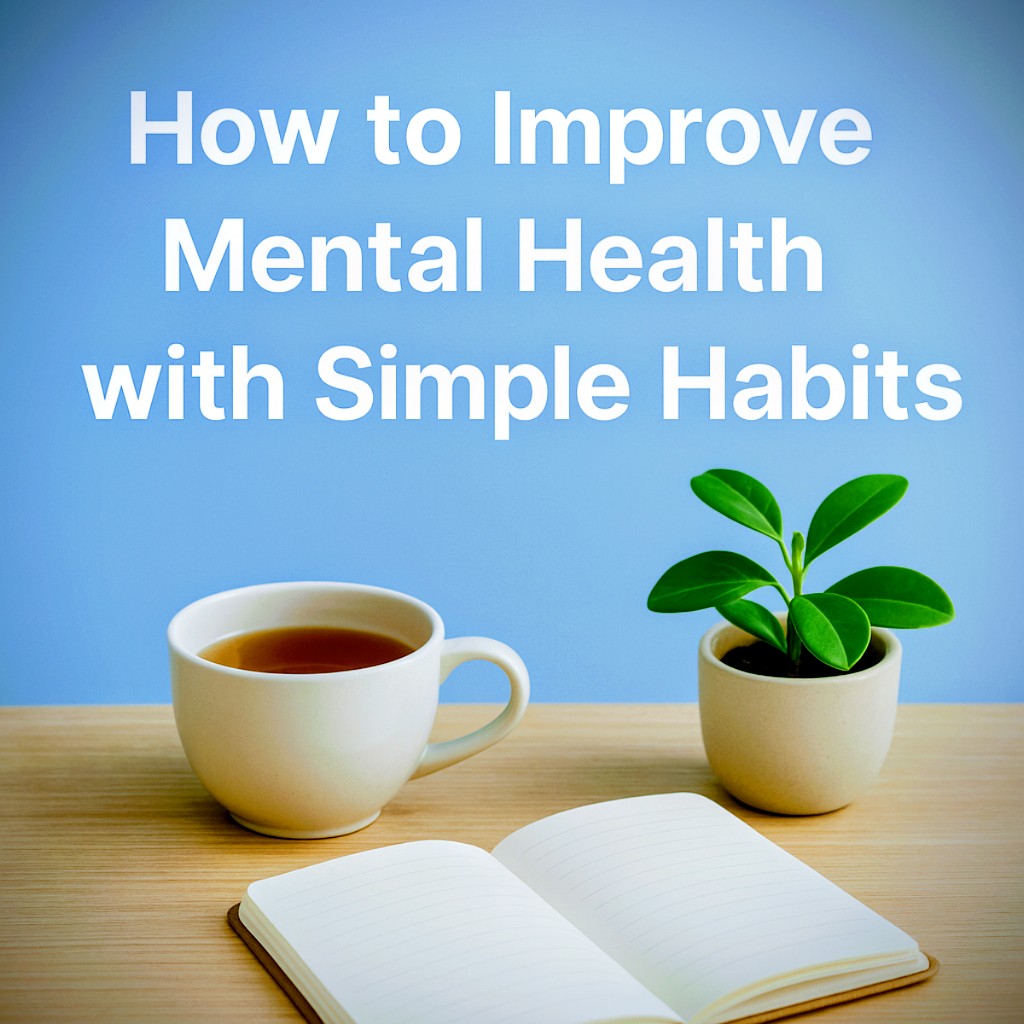
How to Improve Mental Health in Everyday Life with Simple Habits | Daily Wellness Tips for Better Emotional Health
Simple Daily Routines That Strengthen Your Mind, Boost Your Mood, and Support Long Term Emotional Wellness
Improve mental health in everyday life with simple habits that boost emotional balance, reduce stress, and support long term wellness. Learn easy daily practices that help you feel calmer, think clearer, and stay emotionally grounded.
Improving mental health in everyday life begins with small choices. These little choices may not look important at first, but over time they shape your emotional energy, your thoughts, and the way you respond to stress.
Many people think mental health improvement requires major changes, but that approach often creates pressure and frustration. Real growth starts with simple daily habits that help you feel grounded, supported, and emotionally strong. These habits can be practiced by anyone, even during a busy day.
This long-form guide walks you through a wide range of strategies, from morning routines to emotional skills, lifestyle habits, and mindful breathing techniques.
Each section includes long detailed paragraphs, expanded steps, and practical examples that show you how to integrate these habits into real life.
The goal is to help you understand not only what to do, but why each habit works and how it improves your well-being over time.
Why Daily Habits Matter for Mental Health
Daily habits influence the way your mind reacts to the world around you. You may not notice it at first, but your brain responds to repetition. Every repeated behavior, thought, or action reinforces a mental pathway.
This means your reactions, your mood, your focus, and your emotional resilience are shaped by what you do every day. When positive habits become part of your routine, your mental health improves in small but meaningful ways.
How Small Habits Shape Your Emotional Patterns
Small habits create long-term emotional benefits because they train your brain to choose calmer, healthier responses. Every time you repeat a calming action, your nervous system receives a signal that tells it to relax. Over time, these signals create stronger emotional stability.
Examples of how small habits influence your mind
- A one-minute breathing break
This lowers your heart rate, reduces muscle tension, and helps your brain move out of fight-or-flight mode. - A short sunlight exposure
This improves serotonin levels, which support mood, motivation, and emotional balance. - A five-minute walk
Movement increases oxygen, improves blood flow to the brain, and resets your focus. - A single positive thought replacement
This weakens the negative thinking cycle and helps you build a healthier mindset.
Even the smallest healthy choice supports long-term emotional growth.
The Compound Effect of Micro-Habits
Micro-habits are tiny actions that feel easy and achievable. When you practice them consistently, they create a compound effect that leads to powerful emotional improvements. Your mental health does not improve from one big action. It improves from hundreds of small choices repeated every day.
Why micro-habits work so well
- They are simple, so you do not feel overwhelmed
- They require little energy, which makes them easier to sustain
- They build confidence because they are easy to complete
- They strengthen emotional stability over time
- They support your brain’s natural reward system
When you choose small habits, your brain learns that change is safe and manageable.
Consistency Is More Important Than Perfection
Many people believe mental health routines must be perfect to work. This belief creates pressure and frustration. What actually matters is consistency. Daily effort, even if it is small, has a greater impact than brief periods of perfection.
Benefits of steady consistency
- You create a stable emotional environment
- You build trust with yourself
- You develop routines that feel natural
- You reduce burnout by avoiding perfection pressure
- You create predictable mental-health support every day
Progress with mental health is about small steps that feel gentle instead of overwhelming.
Simple Daily Habits That Improve Mental Health
These habits are simple, practical, and easy to begin right away. They do not require special tools or expensive programs. They only require intention and repetition.
Morning Habits That Improve Your Mood and Energy
Morning routines set the emotional tone for the rest of the day. When you start your morning in a calming and intentional way, your body and mind respond with clarity, energy, and emotional balance.
Step One: A Slow and Grounded Wake-Up Routine
A grounded wake-up routine helps your nervous system avoid early stress. When you wake up slowly instead of rushing out of bed, you give your body time to transition from sleep to alertness.
How to begin a grounded morning
- Sit at the edge of your bed for a moment
- Stretch your arms, legs, and shoulders
- Take a slow deep breath
- Avoid looking at your phone immediately
- Let your mind start the day without pressure
This small pause reduces morning anxiety and helps you feel more stable.
Step Two: Set Positive Intentions for the Day
Intentions help you direct your focus and energy. They work like anchors that keep you centered during stressful moments.
Examples of simple daily intentions
- “I will take things one step at a time.”
- “I will treat myself with patience and respect.”
- “I will stay present during stressful moments.”
- “I will listen to my needs today.”
These statements shape your mindset and help you navigate challenges more calmly.
Step Three: Get Natural Sunlight Within the First Hour
Sunlight is essential for emotional health. It resets your internal clock, boosts mood-supporting hormones, and increases your morning energy naturally.
Simple sunlight habits
- Step outside for three to ten minutes
- Open your curtains for natural light
- Stand near a bright window if you cannot go outside
- Combine sunlight exposure with stretching or slow breathing
Regular sunlight supports serotonin, which improves emotional balance.
Step Four: Drink Water Before Coffee
Hydration plays a major role in mental clarity and mood. Many people wake up dehydrated. This leads to anxiety symptoms like racing thoughts, irritability, and fatigue.
Why water first is important
- It activates your digestion
- It improves blood flow
- It supports brain function
- It reduces morning headaches
- It stabilizes your mood
A simple glass of water sets a healthier tone for your day.
Mental Wellness Habits You Can Use During the Day
These habits work well when practiced throughout the day. They help you regulate your emotions, ease tension, and stay grounded during stressful moments.
Step Five: Practice Conscious Breathing
Conscious breathing is one of the fastest ways to reduce stress. It activates your parasympathetic nervous system, which helps your body relax and recover.
Breathing techniques you can use
- Box breathing
Inhale for four seconds, hold for four seconds, exhale for four seconds, hold for four seconds. - Slow deep breathing
Inhale through your nose, let your belly rise, then exhale slowly through your mouth. - The one-minute breath reset
Breathe slowly and gently for sixty seconds to calm your mind.
These techniques help you lower tension and regain control when stress appears.
Step Six: Use Micro-Meditations to Reset Your Mind
Micro-meditations are short, simple mental breaks that help your mind reset. They require little effort and can be done anywhere.
How to practice a micro-meditation
- Sit comfortably
- Close your eyes
- Take slow breaths
- Notice your body
- Let your thoughts pass without judgment
Even thirty seconds can calm your nervous system.
Step Seven: Take Movement Breaks
Movement helps your body release stress and refresh your mind. When you sit too long, tension builds in your muscles and decreases your energy.
Examples of helpful movement habits
- Walk for two to five minutes
- Stretch your arms and shoulders
- Rotate your neck gently
- Take short outdoor walks
- Use a standing break to relax your posture
Movement increases oxygen flow and improves emotional clarity.
Step Eight: Limit Daily News and Social Media Intake
Digital overload raises your stress level and affects your emotional balance. Negative news increases fear and tension. Social media comparison affects confidence and mood.
Tips for digital boundaries
- Check the news at specific times only
- Turn off non-essential notifications
- Use social media with intention
- Avoid doomscrolling
- Take screen breaks to relax your mind
Limiting digital noise supports emotional peace.
Step Nine: Practice Mindfulness Throughout the Day
Mindfulness helps you stay present instead of getting lost in stress or overwhelm. You can practice mindfulness during simple activities.
Mindfulness ideas for everyday life
- Focus on your breath while walking
- Pay attention to the flavors of your meals
- Notice water temperature during a shower
- Listen fully during conversations
- Take a slow pause before reacting
These mindful moments help you stay grounded.
Emotional Wellness Habits for a Stronger Mind
Emotional wellness is essential for mental health. When you understand your emotions, you gain more control over your reactions and your overall well-being.
Step Ten: Use Journaling to Process Your Thoughts
Journaling helps you release mental pressure and understand your emotions with clarity. It creates space for honesty and self-reflection.
Types of journaling that support emotional wellness
- Gratitude journaling
List three things you appreciate each day to shift your mindset toward gratitude. - Brain dump journaling
Write everything on your mind without editing to release stress. - Mood journaling
Track your feelings to spot emotional patterns. - One-line journaling
Write one sentence per day to stay consistent with little effort.
Journaling builds emotional awareness and resilience.
Step Eleven: Name and Validate Your Emotions
When you name your emotions, you reduce their intensity. This skill teaches your brain to understand and process feelings more effectively.
Ways to identify your emotions
- Pause when you feel overwhelmed
- Notice where the emotion appears in your body
- Name the feeling honestly
- Say it aloud or write it down
- Give yourself permission to feel without shame
This creates emotional safety and clarity.
Step Twelve: Reframe Negative Thoughts with Realistic Alternatives
Negative thinking can shape your mood in powerful ways. Reframing helps you challenge negative thoughts and replace them with more balanced ideas.
Steps for cognitive reframing
- Identify the negative thought
- Ask yourself if it is fully true
- Consider the evidence
- Replace the thought with a more realistic one
- Repeat the new thought when needed
This method helps reduce anxiety and harsh self-criticism.
Step Thirteen: Set Daily Boundaries to Protect Your Energy
Boundaries protect your emotional well-being. They give you control over your time, energy, and needs.
Examples of small boundaries
- Stop answering messages after a certain time
- Say no to extra tasks when you feel overwhelmed
- Limit time with draining people
- Protect quiet time before bed
- Create work-life balance through small limits
Boundaries help you respect your own limits.
Social Connection Habits That Support Mental Health
Healthy relationships support emotional stability, self-worth, and stress management.
Step Fourteen: Make Time for Human Interaction
Even small connections improve mental health. A simple conversation can lift your mood and help you feel supported.
Ways to connect during the day
- Send a positive message to a friend
- Share a short conversation with a coworker
- Check on a family member
- Join a supportive community
- Talk with someone you trust when you feel stressed
Connection strengthens emotional stability.
Step Fifteen: Build Supportive Relationships
Supportive relationships encourage growth and emotional safety. They provide comfort during stressful moments.
Qualities of supportive relationships
- Respect
- Honest communication
- Kindness
- Shared understanding
- Emotional reciprocity
These qualities promote long-term mental wellness.
Step Sixteen: Reduce Time with Negative or Draining People
Not every relationship supports your well-being. Some people increase stress and emotional exhaustion.
Ways to protect your emotional energy
- Limit conversations with toxic individuals
- Maintain polite distance
- Avoid engaging in drama
- Prioritize people who bring positivity
- Focus on relationships that build you up
This allows more space for healthy connections.
Step Seventeen: Celebrate Your Daily Wins
Celebrating small wins helps reinforce positive emotions. This practice builds confidence and motivation.
Examples of small wins
- Completing a task
- Drinking enough water
- Handling a stressful moment calmly
- Taking a quick walk
- Getting to bed earlier
Recognizing progress boosts emotional resilience.
Lifestyle Habits That Strengthen Long-Term Mental Health
Lifestyle choices influence mood, stress levels, emotional stability, and physical well-being.
Step Eighteen: Improve Your Sleep Hygiene
Sleep is essential for mental health. Poor sleep increases irritability, anxiety, and emotional tension.
Ways to improve sleep hygiene
- Avoid screens before bed
- Keep your bedroom cool
- Use a calming nighttime routine
- Maintain a stable sleep schedule
- Limit caffeine in the evening
High-quality sleep improves emotional clarity.
Step Nineteen: Choose Foods That Support Emotional Balance
Nutrition affects both your mind and mood. Certain nutrients help regulate stress and support emotional well-being.
Foods that support mental health
- Omega-3 rich foods, like salmon and walnuts
- Magnesium rich foods, like spinach and almonds
- Vitamin D rich foods, like eggs and fortified milk
- Probiotic foods, like yogurt and kimchi
- Complex carbohydrates for stable energy
A balanced diet helps your mind function more effectively.
Step Twenty: Stay Hydrated
Dehydration can trigger symptoms similar to anxiety. Drinking enough water improves focus and emotional stability.
Benefits of hydration for mental health
- Reduces irritability
- Supports brain function
- Improves energy
- Reduces headaches
- Helps regulate stress hormones
Hydration is a simple but powerful mental-health tool.
Step Twenty-One: Reduce Alcohol and Monitor Caffeine Intake
Alcohol and caffeine can disrupt your emotional balance. Alcohol affects mood regulation, while caffeine overstimulates the nervous system.
Why moderation matters
- Alcohol interrupts sleep
- Caffeine increases heart rate
- Both can increase anxiety
- Both affect hormone regulation
Small adjustments can improve long-term emotional health.
Step Twenty-Two: Move Your Body Regularly
Movement releases endorphins that support emotional wellness. You do not need intense workouts. Simple movement is enough.
Examples of supportive movement
- Gentle yoga
- Stretching routines
- Nature walks
- Strength training
- Dancing at home
Movement reduces stress and increases energy.
Environmental Habits That Support Emotional Wellness
Your environment affects your emotional state. A calm, tidy space can improve mental clarity and reduce stress.
Step Twenty-Three: Keep Your Living Space Clean
Clutter increases stress because it overwhelms the brain with visual noise. A clean space supports peace and clarity.
Simple cleaning habits
- Five-minute morning clean-up
- Keep surfaces clear
- Put items back after use
- Declutter one small area at a time
- Light a candle or use soft lighting
A peaceful space supports emotional stability.
Step Twenty-Four: Spend Time in Nature Every Day
Nature reduces stress, lowers blood pressure, and improves emotional well-being.
Ways to include nature in your day
- Sit outside for five minutes
- Walk near trees
- Keep plants in your home
- Listen to nature sounds
- Look at natural light through the window
Nature restores emotional balance.
Step Twenty-Five: Create a Calm Corner at Home
A calm corner is a small space dedicated to peace and relaxation.
What to include in your calm corner
- A soft blanket
- A comfortable chair
- Warm lighting
- A scented candle
- A journal or book
This space gives you a sanctuary when you need rest.
Digital Habits That Protect Mental Health
Digital choices influence emotional stability and stress levels. Learn how to set better digital habits for yourself.
Step Twenty-Six: Set Healthy Digital Boundaries
Healthy boundaries reduce overwhelm and protect your mental focus.
Examples of digital boundaries
- Turn off unnecessary notifications
- Avoid checking your phone in bed
- Take regular screen breaks
- Limit social media time
- Create a no-phone zone at home
These boundaries support calm and focus.
Step Twenty-Seven: Use Technology for Good
Technology can support mental health when used wisely.
Helpful mental-health tools
- Meditation apps
- Breathing timers
- Mood tracking apps
- Gratitude reminders
- Digital planners for stress reduction
These tools help you build emotional awareness.
Self Care Habits That Nourish Your Mind
Self care helps your mind recover from stress. It provides comfort and supports emotional resilience.
Step Twenty-Eight: Practice Daily Self Care
Self care is a necessity, not a luxury. It helps you stay emotionally balanced.
Examples of simple self-care activities
- A warm bath
- Listening to calming music
- Reading for pleasure
- Drinking tea slowly
- Sitting outside in sunlight
- Taking a short nap
Small moments of rest reduce emotional pressure.
Step Twenty-Nine: Do Something Enjoyable Every Day
Enjoyment boosts emotional well-being and prevents burnout.
Ideas for daily enjoyment
- Drawing
- Cooking
- Playing an instrument
- Walking
- Gardening
- Watching a favorite show
These small joys lift your spirit.
Step Thirty: Practice Self Compassion
Self compassion helps you treat yourself with the same kindness you offer others.
Ways to practice self compassion
- Replace negative self-talk with gentle words
- Acknowledge your feelings without judgment
- Forgive yourself for mistakes
- Remind yourself that you are learning
- Give yourself permission to rest
This habit grows emotional strength.
When Simple Habits Are Not Enough
Even with healthy daily habits, some people may need professional support. This is normal and human. If you experience deep sadness, severe anxiety, or difficulty functioning, reach out to a mental-health expert. Therapy and counseling can provide support, guidance, and healing.
Conclusion
Mental health improves slowly and steadily when you use daily habits that support your well-being. These simple choices help you stay grounded, focused, and calm. You do not need dramatic changes to feel better. Start with one small habit. Practice it every day. Then build more habits as you grow. Over time, you will feel stronger, calmer, and more emotionally balanced in everyday life.
Frequently Asked Questions About Improving Mental Health with Simple Daily Habits
Q1: What are the simplest daily habits that improve mental health?
Simple habits like slow breathing, morning sunlight, short walks, hydration, mindful moments, and positive self talk can improve mental health. These habits help regulate stress hormones, support emotional stability, and make your day feel more manageable. Even small choices repeated daily can create meaningful improvements in mood and energy.
Q2: How can I improve my mental health every day at home?
You can improve your mental health at home by using small routines. Start your day calmly, drink water early, eat balanced meals, tidy your space, and limit digital noise. Add short mindfulness breaks, stretching, and moments of gratitude. These simple actions create a peaceful environment that supports emotional well-being.
Q3: What is the fastest way to calm my mind during stress?
Slow breathing is one of the fastest ways to calm the mind. Take a deep breath through your nose, let your belly rise, and exhale slowly. This signals your nervous system to relax. Pair this with grounding techniques like touching a solid object, noticing your surroundings, or closing your eyes for thirty seconds.
Q4: How does sunlight help improve mental health?
Morning sunlight boosts serotonin, which supports emotional balance, mood regulation, and natural energy. It also helps reset your internal clock so you sleep better at night. Even three to ten minutes of sunlight can create noticeable improvements in well-being.
Q5: How can mindfulness help with everyday stress?
Mindfulness helps you stay present instead of getting lost in stressful thoughts. When you notice your breath, your senses, or your environment, your mind slows down. This lowers anxiety, improves focus, and makes stressful moments feel easier to handle.
Q6: What foods help improve mental health naturally?
Foods rich in omega-3s, magnesium, vitamin D, complex carbs, and probiotics support mental health. Salmon, leafy greens, nuts, eggs, yogurt, and berries help regulate mood, stabilize energy, and support brain function. Balanced meals also prevent sugar spikes that increase anxiety and irritability.
Q7: Why does hydration matter for emotional health?
Hydration affects brain function. Even mild dehydration can cause irritability, headaches, low energy, and concentration problems. Drinking water throughout the day helps regulate mood and reduces stress symptoms that mimic anxiety.
Q8: What is a micro-meditation and how does it help?
A micro-meditation is a short thirty to sixty second mental break that helps your mind reset. You breathe slowly, close your eyes, and release tension. These quick pauses calm your nervous system, reduce stress, and bring you back to the present moment.
Q9: How do small daily habits improve mental health long term?
Small daily habits create consistent emotional support. They build healthier pathways in the brain, balance stress hormones, and create predictable routines that reduce mental strain. Over time these habits form a strong foundation for resilience and emotional stability.
Q10: What morning habits improve mental health the most?
A calm wake-up routine, sunlight exposure, stretching, hydration, and positive intentions improve mental health. These habits help your body wake up naturally, increase serotonin, and reduce morning anxiety.
Q11: How can I reduce negative thinking using simple habits?
You can reduce negative thinking by identifying your thoughts, labeling your emotions, and reframing your interpretation. Use journaling, gratitude lists, positive self-talk, and micro-pauses before reacting. These habits weaken negative thinking loops and build healthier thought patterns.
Q12: What is the best habit for improving emotional resilience?
The best habit for emotional resilience is consistent self reflection. Journaling, naming emotions, and practicing mindful awareness help you understand your thoughts clearly. When you understand your emotions, you can handle stress in a calmer, more controlled way.
Q13: How can I improve mental health without therapy?
You can improve mental health without therapy by practicing simple habits like mindful breathing, regular movement, balanced nutrition, proper sleep, social connection, positive routines, and emotional awareness. These habits build a strong foundation. However, therapy is recommended if symptoms become overwhelming.
Q14: What role does movement play in mental health?
Movement increases blood flow to the brain, supports dopamine and serotonin, and helps release tension. Even small activities like walking, stretching, or gentle yoga can improve mood, reduce anxiety, and boost energy throughout the day.
Q15: How can I stay calm during overwhelming moments?
You can stay calm by using grounding techniques. Try slow breathing, noticing five things around you, touching a steady object, or stepping outside for fresh air. These actions bring you back to the present moment and reduce emotional intensity.
Q16: What are easy habits that help with anxiety?
Slow breathing, hydration, journaling, limiting caffeine, reducing digital noise, stretching, micro-meditations, positive self-talk, and short nature walks help with anxiety. These habits calm the nervous system and lower stress levels.
Q17: How does sleep affect mental health?
Sleep affects mood, memory, stress levels, and emotional control. A healthy sleep routine helps your brain recover, lowers irritability, and improves clarity. Poor sleep increases anxiety, negative thinking, and overwhelm.
Q18: What social habits help improve mental health?
Daily human interaction, supportive relationships, open communication, practicing gratitude, and setting boundaries improve mental health. Healthy connection reduces loneliness and strengthens emotional support.
Q19: How can I create a healthier environment for mental well-being?
A clean space, soft lighting, natural sunlight, plants, and calm colors support emotional balance. When your environment feels peaceful, your mind feels safer and more grounded.
Q20: What digital habits protect mental health?
Limiting notifications, reducing screen time before bed, taking digital breaks, and avoiding negative content protect mental health. Intentional device use prevents information overload and reduces stress.
Q21: How do boundaries improve mental health?
Boundaries protect your energy, reduce stress, prevent burnout, and strengthen emotional safety. They help you control your environment, reduce overwhelm, and create a healthier balance with others.
Q22: Why are simple habits more effective than major changes?
Simple habits are easy to repeat, and repetition creates long-term improvement. Major changes often fail because they require too much energy all at once. Simple habits build momentum and lead to sustainable emotional growth.
Q23: What is the easiest first habit to start for better mental health?
The easiest first habit is slow conscious breathing. It is simple, takes less than a minute, and immediately reduces stress. This habit lays the foundation for other emotional wellness routines.
Q24: What should I avoid if I want better mental health?
Avoid long periods of isolation, excessive caffeine, poor sleep, constant digital noise, negative content, and skipping meals. These behaviors increase stress, lower mood, and disrupt emotional stability.
Q25: When should I seek professional help for mental health?
Seek help if you feel overwhelmed, cannot function normally, struggle with emotional numbness, experience severe anxiety, or have thoughts of self-harm. Professional support provides guidance, tools, and emotional safety.
Recommend references
1. Mayo Clinic – Mental Health and Wellness
Link: https://www.mayoclinic.org/healthy-lifestyle/adult-health/in-depth/mental-health/art-20046498
A trusted resource offering expert-backed information about mental wellness, stress management, lifestyle habits, and emotional health strategies.
2. National Institute of Mental Health (NIMH)
Link: https://www.nimh.nih.gov/health/topics
Provides detailed, research-based information on mental health conditions, treatments, lifestyle factors, and evidence-based wellness approaches.
3. American Psychological Association – Healthy Living Resources
Link: https://www.apa.org/topics
Features expert articles on emotional health, stress reduction, mindfulness, daily habits for mental wellness, and healthy behavioral changes.
Related Mental Health Articles from MentalHealthBlogger.com
Here are more blog posts from Mental Health Blogger that relate to improving mental health:
| 📄 Title | 🔗 Link |
|---|---|
| How Social Media Affects Teen Mental Health: A Comprehensive Guide | https://www.mentalhealthblogger.com/how-social-media-affects-teen-mental-health-a-comprehensive-guide/ |
| Understanding the Link Between Mental Health and Addiction | https://www.mentalhealthblogger.com/understanding-the-link-between-mental-health-and-addiction/ |
| What Are the 10 Most Common Types of Mental Illness? A Beginner’s Guide with Examples | https://www.mentalhealthblogger.com/what-are-the-10-most-common-types-of-mental-illness-a-beginners-guide-with-examples/ |