
How identity-based bullying affects LGBTQ+ teen mental health, self-worth, school safety, and emotional wellbeing.
By Kevin Mack, Mental Health Blogger | Updated May 24, 2026
Written from an educational, non-medical perspective with a focus on teen mental wellness, LGBTQ+ support, bullying prevention, and safe school environments.
Contents
- 1 Key Takeaways
- 2 Introduction
- 3 What Is LGBTQ+ Bullying and Why Does It Affect Mental Health?
- 4 Why Does Bullying LGBTQ+ Teenagers Matter So Much?
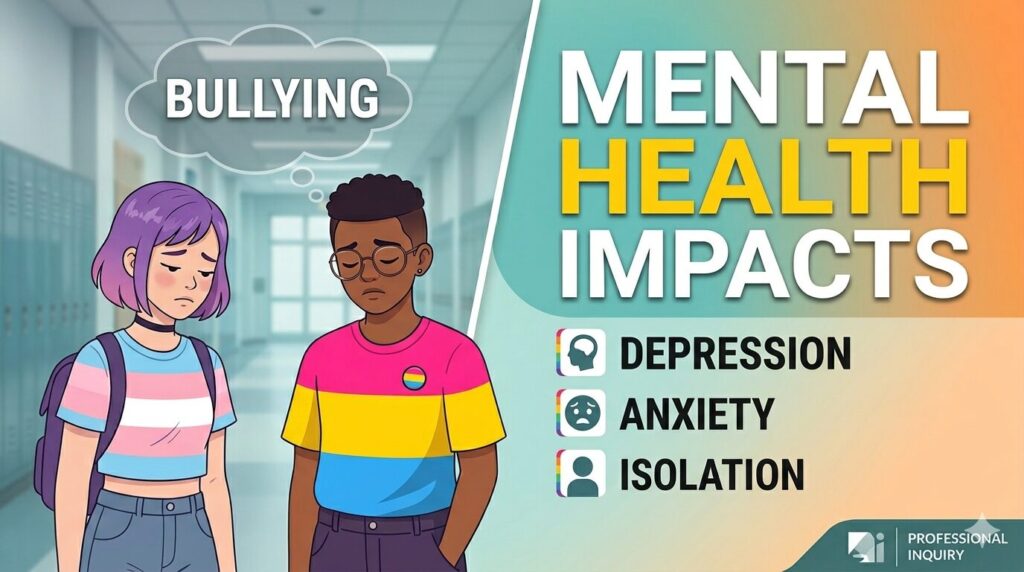
- 5 What Are the Main Mental Health Effects of Bullying on LGBTQ+ Teenagers?
- 6 What Causes Bullying Against LGBTQ+ Teenagers?
- 7 How Can Parents, Teachers, and Friends Help LGBTQ+ Teenagers Who Are Being Bullied?
- 8 Common Myths and Misconceptions About LGBTQ+ Bullying
- 9 Expert Insights: What Makes LGBTQ+ Bullying Different?
- 10 Comparison Table: LGBTQ+ Bullying Myths vs Facts
- 11 Best Practices and Practical Tips for Supporting LGBTQ+ Teen Mental Health
- 12 People Also Ask:
- 13 Conclusion
- 14 Important Resources
- 15 About the Author
- 16 Medical Disclaimer
Key Takeaways
- Bullying can harm LGBTQ+ teenagers by increasing stress, fear, isolation, anxiety, depression symptoms, school avoidance, and low self-worth.
- LGBTQ+ bullying often targets a teen’s identity, which can make the emotional impact feel personal, constant, and harder to escape.
- Supportive adults, affirming schools, trusted friends, and safe reporting systems can lower harm and help teens feel protected.
- Not every LGBTQ+ teen reacts the same way. Family support, school climate, friendships, and access to help can shape how bullying affects mental health.
- Bullying is not a normal part of growing up. It is a serious safety and wellness issue that deserves quick, respectful action.
Introduction
Bullying affects the mental health of LGBTQ+ teenagers by increasing anxiety, depression, isolation, shame, and school-related stress. Learn how identity-based bullying harms LGBTQ+ youth, the warning signs to watch for, and how parents, teachers, and friends can provide support.
Bullying can change how a teenager sees themselves, but LGBTQ+ bullying can cut even deeper because it often attacks identity, belonging, and personal safety.
How does bullying affect the mental health of LGBTQ+ teenagers? It can increase emotional distress, anxiety, depression symptoms, loneliness, shame, fear, and school avoidance.
This topic matters because many LGBTQ+ teens are not only dealing with normal adolescent pressure.
They may also face homophobic bullying, transphobic harassment, online abuse, social rejection, outing threats, family tension, and fear of being judged. When those pressures pile up, the emotional weight can feel overwhelming.
I have seen this pattern often in mental health writing and youth wellness research. The most damaging part is not always one cruel comment.
It is the repeated message that a young person is unsafe, unwanted, or “wrong” for being who they are. That message can affect confidence, relationships, school performance, and long-term emotional health.
Bullying affects the mental health of LGBTQ+ teenagers by increasing stress, anxiety, depression symptoms, isolation, shame, and fear of rejection. Because the bullying often targets identity, it can damage self-worth and make teens feel unsafe at school, online, or even in their community. Supportive adults and affirming environments can reduce harm.
What Is LGBTQ+ Bullying and Why Does It Affect Mental Health?
LGBTQ+ bullying is repeated harmful behavior that targets, mocks, threatens, excludes, or humiliates a young person because of their actual or perceived sexual orientation, gender identity, gender expression, or LGBTQ+ association.
It can happen to teens who identify as lesbian, gay, bisexual, transgender, queer, questioning, nonbinary, pansexual, asexual, or another LGBTQ+ identity. It can also happen to teens who are only perceived as LGBTQ+ because of how they dress, speak, act, or express themselves.
LGBTQ+ bullying matters because it often attacks more than behavior. It attacks identity. A teen may hear comments like:
- “You do not belong here.”
- “You are weird.”
- “You should hide who you are.”
- “People like you are not accepted.”
Even when those words are not spoken directly, bullying can create that message through exclusion, jokes, rumors, slurs, threats, and social media harassment.
The CDC’s 2023 Youth Risk Behavior Survey reports that LGBTQ+ students face substantial health disparities, including poor mental health, suicidal thoughts and behaviors, and experiences of violence.
The Trevor Project’s 2025 survey also reported that more than half of LGBTQ+ youth ages 13 to 17 experienced bullying in the past year, and bullied youth reported higher rates of suicide attempts than peers who were not bullied.
This does not mean every bullied LGBTQ+ teen will experience the same outcome. It means bullying is a serious risk factor, especially when teens lack support.
“The most powerful thing an adult can say to a bullied LGBTQ+ teen is simple: I believe you, this is not your fault, and you do not have to face it alone.” Dr. Melissa Grant, Youth Mental Health Educator
Why Does Bullying LGBTQ+ Teenagers Matter So Much?
Bullying LGBTQ+ teenagers matters because adolescence is already a time of identity development, social comparison, emotional growth, and pressure to fit in.
When bullying targets identity during this stage, it can shape how teens understand themselves and how safe they feel around others.
For many LGBTQ+ teens, bullying may overlap with other stressors, including:
- Fear of coming out
- Family rejection or lack of understanding
- Religious or cultural pressure
- Online harassment
- School safety concerns
- Anti-LGBTQ+ comments from peers or adults
- Lack of affirming role models
- Confusion about where to find help
This is why LGBTQ+ bullying is not only a school discipline issue. It is a mental health and safety issue.
StopBullying.gov notes that youth who are bullied can experience depression, anxiety, sleep difficulties, lowered academic achievement, and school avoidance. For LGBTQ+ youth, the emotional harm may be stronger when bullying includes shame, threats, identity-based slurs, or repeated social rejection.
“Bullying becomes more harmful when silence surrounds it. Schools, families, and communities must respond early before emotional pain turns into isolation.” Rachel Simmons, School Wellness Advocate
What Are the Main Mental Health Effects of Bullying on LGBTQ+ Teenagers?
Bullying can affect LGBTQ+ teenagers emotionally, socially, physically, and academically. The effects may appear quickly, or they may build over time.
Anxiety and Constant Fear
LGBTQ+ teens who are bullied may start scanning every room for danger. They may worry about who is watching them, who might laugh, who might post something online, or who might confront them in the hallway.
This kind of constant alertness can create anxiety. A teen may feel tense before school, nervous around certain classmates, or afraid to participate in class. They may avoid bathrooms, locker rooms, lunchrooms, buses, or after-school events.
Anxiety does not always look like panic. Sometimes it looks like silence, irritability, stomachaches, headaches, or a sudden drop in motivation.
Depression Symptoms and Emotional Numbness
Repeated bullying can make LGBTQ+ teenagers feel trapped. Over time, they may begin to believe the negative messages they hear. This can lead to sadness, hopelessness, low energy, loss of interest, and emotional numbness.
A teen who once enjoyed art, sports, writing, gaming, or friendships may slowly pull away. They may sleep more, stop caring about grades, or say things like “nothing matters.”
The Trevor Project’s 2024 survey found that 39% of LGBTQ+ young people seriously considered attempting suicide in the past year, with higher rates among transgender and nonbinary young people. Bullying is not the only factor behind this risk, but identity-based victimization can add serious emotional pressure.
Shame and Low Self-Worth
One of the most harmful effects of LGBTQ+ bullying is shame. Shame tells a teen, “Something is wrong with me.” That is different from guilt, which says, “I did something wrong.”
When bullying targets a teen’s identity, shame can become internalized. The teen may start hiding their personality, voice, clothing, friendships, interests, or pronouns. They may try to become invisible to avoid attention.
This can damage self-worth. It can also delay healthy identity development.
Social Isolation and Loneliness
Bullying often separates teens from support. Friends may distance themselves to avoid becoming targets. Other students may stay silent because they fear involvement. The bullied teen may stop trusting people.
This loneliness can become one of the strongest drivers of emotional pain. A teen can be surrounded by classmates and still feel completely alone.
Supportive friendships can make a major difference. Even one trusted person can help a teen feel seen, heard, and protected.
School Avoidance and Academic Struggles
When school feels unsafe, learning becomes harder. LGBTQ+ teenagers who are bullied may skip classes, avoid certain areas, miss school, or stop participating.
This does not always mean the teen is lazy or uninterested. It may mean the teen is trying to survive the day without being humiliated or threatened.
Bullying can affect focus, memory, classroom confidence, grades, attendance, and future goals. A teen who feels unsafe may spend more mental energy on protection than learning.
Increased Risky Coping Behaviors
Some teens cope with bullying through withdrawal. Others may use unhealthy coping methods to numb emotional pain. These may include substance use, self-isolation, unsafe online behavior, aggression, or self-harm.
StopBullying.gov has noted that bullied LGBT youth, or youth perceived as LGBT, are more likely to skip school, use alcohol or drugs, and engage in other risky behaviors. These behaviors should be understood as warning signs, not character flaws.
What Causes Bullying Against LGBTQ+ Teenagers?
Bullying against LGBTQ+ teenagers usually comes from a mix of ignorance, prejudice, social pressure, fear of difference, and harmful beliefs about gender and sexuality.
Homophobia, Biphobia, and Transphobia
Some bullying comes from direct bias. A student may target LGBTQ+ peers because they have learned negative beliefs about gay, bisexual, transgender, queer, or gender nonconforming people.
This can show up as slurs, jokes, threats, exclusion, misgendering, deadnaming, or mocking someone’s appearance.
Peer Pressure and Group Behavior
Some teens bully because they want social approval. They may laugh at cruel jokes, repeat slurs, or join harassment because they fear being excluded themselves.
This is why bystanders matter. When peers stay silent, bullying can look socially accepted. When peers speak up safely, the group dynamic can change.
Lack of Adult Intervention
Bullying grows when adults ignore it, minimize it, or dismiss it as “drama.” LGBTQ+ teens may stop reporting bullying if they believe adults will not help.
A safe school climate depends on clear rules, consistent enforcement, and adults who understand identity-based harassment.
Online Harassment and Digital Spread
Cyberbullying can follow a teen home. Screenshots, group chats, fake accounts, public comments, and outing threats can make bullying feel inescapable.
This matters because home used to be a break from school bullying. Online harassment can erase that break.
“LGBTQ+ teen mental health improves when young people feel seen, respected, and safe enough to be honest about who they are.”
Jordan Ellis, LGBTQ+ Youth Support Coordinator
How Can Parents, Teachers, and Friends Help LGBTQ+ Teenagers Who Are Being Bullied?
The best response is calm, specific, supportive, and action-based. LGBTQ+ teens need to know the bullying is not their fault and that they do not have to handle it alone.
Step 1: Believe the Teen and Stay Calm
Start by listening. Do not interrupt with blame, panic, or quick advice. Say clearly:
“I believe you.”
“You do not deserve this.”
“I am glad you told me.”
“We will figure out the next step together.”
A calm response helps the teen feel safer. It also makes them more likely to share details.
Step 2: Document What Is Happening
Write down dates, names, locations, screenshots, messages, usernames, witnesses, and what happened. Documentation helps schools, counselors, parents, or support organizations understand the pattern.
Do not encourage retaliation. Retaliation can escalate the situation and may get the bullied teen in trouble.
Step 3: Create a Safety Plan
A safety plan can include:
- Trusted adults the teen can go to during school
- Safe routes between classes
- A plan for lunch, bus rides, bathrooms, and locker rooms
- A friend or peer support system
- Steps for reporting online harassment
- Emergency contacts if the teen feels unsafe
Safety planning should be practical. The goal is to reduce exposure to harm while adults address the bullying.
Step 4: Report the Bullying Through the Right Channels
Report serious or repeated bullying to school staff, administrators, counselors, or district officials. If there are threats, physical assault, stalking, sexual harassment, or hate-based intimidation, parents or guardians may need to ask about legal or school policy protections.
The report should focus on specific behavior, not vague conflict.
Step 5: Connect the Teen With Support
A bullied LGBTQ+ teen may benefit from a school counselor, trusted teacher, LGBTQ+ youth group, therapist, crisis support line, or affirming community space.
Support does not mean the teen is broken. It means the teen deserves backup.
Related Video: How to Support LGBTQ+ Young People and Prevent Bullying
For readers who want a helpful visual resource, this video from The Trevor Project explains how adults, peers, and communities can better support LGBTQ+ young people and help prevent bullying. It fits well with the article’s focus on emotional safety, school support, and protecting LGBTQ+ teen mental health.
Common Myths and Misconceptions About LGBTQ+ Bullying
Myth 1: “Bullying Makes Teens Tougher”
Bullying does not build strength. Support, boundaries, confidence, and safety build strength. Bullying can damage trust, self-esteem, and emotional health.
Myth 2: “It Is Just Joking”
A joke stops being harmless when it humiliates, threatens, excludes, or targets someone’s identity. If the teen feels unsafe or degraded, adults should take it seriously.
Myth 3: “Only Openly LGBTQ+ Teens Get Bullied”
Teens can be bullied because they are LGBTQ+, because others think they are LGBTQ+, or because they support LGBTQ+ friends. Perception alone can make someone a target.
Myth 4: “The Teen Should Just Ignore It”
Ignoring bullying may work for a single rude comment, but repeated harassment often gets worse without intervention. Teens need tools, support, and adult action.
Myth 5: “Online Bullying Is Not Real Bullying”
Cyberbullying can be deeply harmful because it spreads quickly and follows teens outside school. Screenshots, public posts, and private group chats can create ongoing stress.
“Cyberbullying can follow a teen home, into their phone, and into their private space. That is why online harassment should never be dismissed as harmless drama.”
Amanda Rivera, Digital Safety Educator
Expert Insights: What Makes LGBTQ+ Bullying Different?
The key difference is identity impact. General bullying may target appearance, popularity, grades, or social status.
LGBTQ+ bullying often targets who a teen is, who they love, how they express themselves, or whether they feel safe being honest.
That difference matters.
A teen can change a shirt, avoid a group, or switch seats. But a teen should not have to hide their identity to feel safe.
Another important distinction is the fear of being outed. Some LGBTQ+ teens are not ready to tell family, friends, teachers, or classmates.
Bullying that includes outing threats can create intense fear. The teen may feel trapped between harassment and unwanted exposure.
I also think adults sometimes miss subtle bullying. It may not always be loud insults. It can look like:
- Repeated “jokes” about gender or sexuality
- Refusing to use a teen’s name or pronouns
- Excluding a teen from group work
- Mocking who they sit with
- Whispering when they walk by
- Sharing private information
- Treating their identity as a debate topic
These behaviors can wear a teen down over time.
Comparison Table: LGBTQ+ Bullying Myths vs Facts
| Myth | Fact |
|---|---|
| LGBTQ+ bullying is just teasing | Identity-based bullying can cause fear, shame, isolation, and emotional distress |
| Teens should handle it alone | Teens need trusted adults, safe reporting, and support |
| Cyberbullying is less serious | Online harassment can follow teens everywhere and spread quickly |
| Only physical bullying matters | Verbal, social, emotional, and digital bullying can also harm mental health |
| Support means taking sides | Support means protecting safety, dignity, and wellbeing |
| Bullying ends when school ends | The effects can continue if the teen does not receive help and affirmation |
Best Practices and Practical Tips for Supporting LGBTQ+ Teen Mental Health
Supporting LGBTQ+ teens does not require perfect words. It requires respect, consistency, and action.
Use Affirming Language
Use the teen’s chosen name and pronouns when it is safe and appropriate. Avoid mocking, debating, or minimizing their identity.
Watch for Warning Signs
Pay attention to changes in mood, sleep, appetite, grades, friendships, hygiene, attendance, or interest in activities. These changes do not prove bullying is happening, but they can signal distress.
Make Home a Safe Place
A supportive home can reduce the emotional damage of bullying. Teens need a place where they are not questioned, ridiculed, or forced to defend their identity.
Encourage Healthy Connections
Help the teen find safe friendships, clubs, online communities with moderation, school groups, or local LGBTQ+ youth resources.
Take Crisis Language Seriously
If a teen talks about wanting to die, disappear, hurt themselves, or not wake up, take it seriously. In the United States, call or text 988 for the Suicide and Crisis Lifeline. If there is immediate danger, call emergency services.
Avoid Blaming the Teen
Do not ask questions like, “What did you do to cause it?” or “Why do you act that way at school?” Better questions include:
- “What happened?”
- “Who was there?”
- “Where do you feel unsafe?”
- “What would help you feel safer tomorrow?”
- “Who at school do you trust?”
People Also Ask:
How does bullying affect LGBTQ+ teens emotionally?
Bullying can make LGBTQ+ teens feel anxious, ashamed, lonely, unsafe, and unwanted. Because the bullying often targets identity, teens may start hiding parts of themselves to avoid more harm. Over time, this can affect self-esteem, trust, mood, school confidence, and emotional wellbeing.
Can bullying cause depression in LGBTQ+ teenagers?
Bullying can contribute to depression symptoms in LGBTQ+ teenagers, especially when it is repeated, identity-based, or ignored by adults. It may lead to sadness, hopelessness, withdrawal, low energy, and loss of interest in things the teen used to enjoy. A licensed professional should evaluate serious or ongoing symptoms.
Why are LGBTQ+ teenagers at higher risk for bullying?
LGBTQ+ teenagers may face bullying because of homophobia, biphobia, transphobia, gender stereotypes, peer pressure, or lack of school support. Some teens are targeted because they are openly LGBTQ+. Others are bullied because classmates assume they are LGBTQ+ based on appearance, voice, behavior, friendships, or gender expression.
What are signs that an LGBTQ+ teen is being bullied?
Signs may include avoiding school, sudden mood changes, anxiety before class, falling grades, lost friendships, unexplained injuries, deleted social media, sleep changes, or reluctance to discuss certain classmates. These signs do not prove bullying, but they are reasons to ask calm, supportive questions.
How can schools reduce bullying against LGBTQ+ students?
Schools can reduce bullying by enforcing clear anti-bullying policies, training staff, responding quickly to reports, supporting LGBTQ+ inclusive clubs, using respectful language, and creating safe reporting systems. Students are more likely to report bullying when they believe adults will take them seriously.
What should parents do if their LGBTQ+ teen is bullied?
Parents should listen, believe the teen, document incidents, contact the school, ask about safety planning, and connect the teen with emotional support. Parents should avoid blaming the teen or forcing them to come out before they are ready. The first goal is safety and trust.
Is online bullying harmful to LGBTQ+ teenagers?
Yes. Online bullying can be very harmful because it can spread fast, happen at any hour, and involve public humiliation or outing threats. LGBTQ+ teens may feel like there is no safe place to escape. Screenshots and documentation can help adults respond more effectively.
Does support really make a difference for bullied LGBTQ+ teens?
Yes. Supportive adults, safe friendships, affirming schools, and respectful home environments can reduce the emotional harm of bullying. Support does not erase what happened, but it helps the teen feel believed, protected, and less alone.
Conclusion
Bullying affects the mental health of LGBTQ+ teenagers by creating fear, stress, shame, isolation, anxiety, depression symptoms, and a weaker sense of safety.
The damage can be especially painful because the bullying often targets identity, not just behavior.
The most important point is simple. LGBTQ+ teens do not need to become tougher to survive bullying.
They need safer environments, trusted adults, respectful peers, and support that protects their dignity.
When parents, teachers, friends, and communities respond early, the message changes.
Instead of hearing “you are alone,” the teen hears, “you matter, you are safe here, and we will help.”
Important Resources
StopBullying.gov: Effects of Bullying – StopBullying.gov explains the emotional, academic, physical, and social effects of bullying on young people, including anxiety, depression, school avoidance, and isolation.
Source: StopBullying.gov Effects of Bullying
CDC: Health Disparities Among LGBTQ Youth – The CDC explains how LGBTQ+ students face higher risks related to mental health, violence, bullying, school safety, and emotional wellbeing.
Source: CDC Health Disparities Among LGBTQ Youth
CDC: 2023 Youth Risk Behavior Survey Results – This CDC report provides national data on youth health behaviors, including LGBTQ+ student safety, mental health concerns, violence exposure, and school-related risks.
Source: CDC 2023 Youth Risk Behavior Survey Results
The Trevor Project: 2024 National Survey on LGBTQ+ Youth Mental Health – The Trevor Project shares research on LGBTQ+ youth mental health, including anxiety, depression, suicidal thoughts, support systems, and risk factors affecting LGBTQ+ teenagers.
Source: The Trevor Project 2024 National Survey
The Trevor Project: 2025 U.S. National Survey on the Mental Health of LGBTQ+ Young People – This survey includes recent findings about LGBTQ+ youth mental health, bullying, school safety, identity-based harassment, and the protective role of support.
Source: The Trevor Project 2025 U.S. National Survey
About the Author
Kevin Mack is a mental health and wellness content writer who creates educational articles for readers seeking clear, supportive, and easy-to-understand information about emotional wellbeing, mental health awareness, bullying, identity, and everyday coping challenges.
Through his work on mental health topics, Kevin focuses on writing helpful, non-medical content that explains complex issues in a compassionate and practical way.
Kevin writes with a people-first approach. His goal is to help readers better understand sensitive topics like LGBTQ+ teen mental health, bullying, anxiety, depression symptoms, emotional stress, and the importance of supportive environments.
His content is based on careful research, plain-language explanations, credible sources, and a strong commitment to reducing stigma.
This article is intended for educational purposes only. It is not a substitute for medical advice, therapy, crisis care, or professional mental health treatment.
Readers who are worried about a teenager’s safety or emotional wellbeing should contact a qualified mental health professional, school counselor, trusted healthcare provider, or crisis support service.
Medical Disclaimer
This article is for educational and informational purposes only. It is not medical advice, mental health treatment, therapy, diagnosis, or a substitute for care from a licensed healthcare professional.
Bullying can affect the emotional wellbeing of LGBTQ+ teenagers in serious ways, including anxiety, depression symptoms, isolation, fear, and thoughts of self-harm.
If you are concerned about a teenager’s mental health, safety, or behavior, please contact a licensed mental health professional, school counselor, doctor, or qualified crisis support service.
If a teen is in immediate danger, has talked about suicide, or may harm themselves or someone else, call emergency services right away. In the United States, you can call or text 988 to reach the Suicide and Crisis Lifeline for free, confidential support.